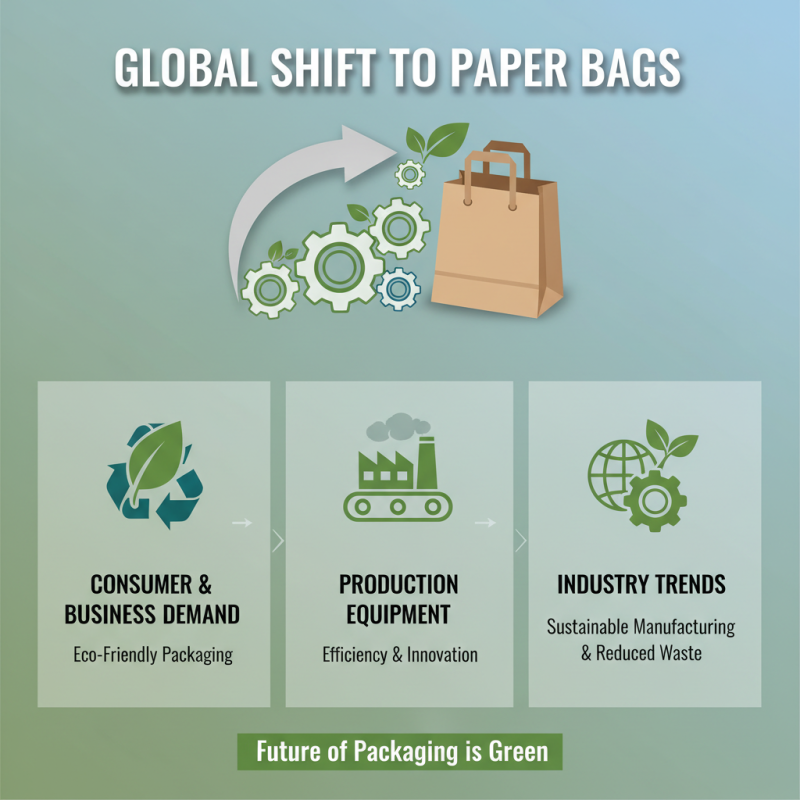
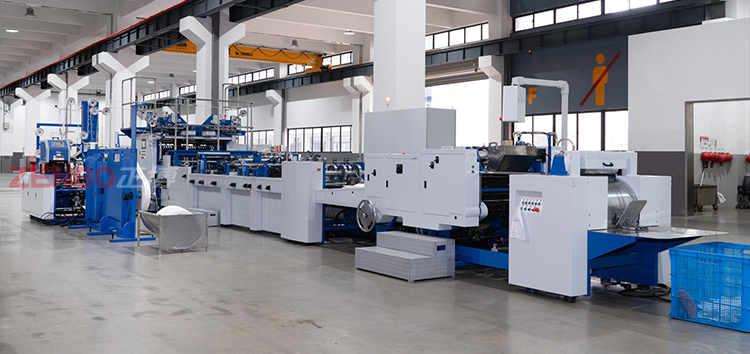
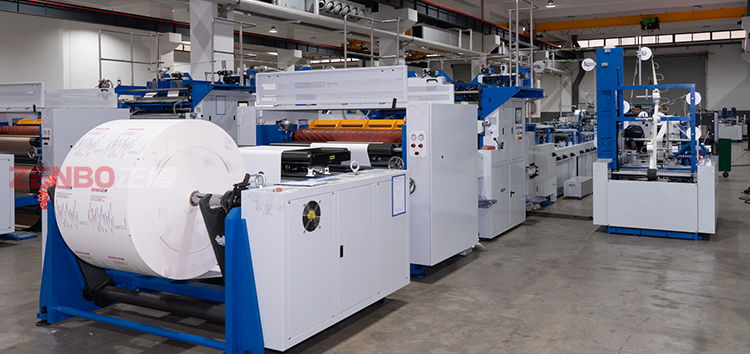
Lately, the production of paper bag machines has really become a key player in the shift toward more sustainable packaging options. As worries about the environment keep growing, industries are increasingly on the hunt for clever new tech to cut down plastic waste. Experts say that by 2025, advances in manufacturing these machines won’t just make things more efficient—they'll also open up new materials and designs that are friendlier to the planet.
Dr. John Smith, who’s pretty well-known in the world of sustainable manufacturing, stresses just how important this change is: “The paper bag machine industry is about to go through some major changes that’ll totally reshape how we think about packaging. If we embrace innovation, we can seriously cut down our dependence on plastic and do our part for a healthier Earth.” Looking ahead, it’s pretty clear that keeping up with these trends and innovations is going to be crucial for companies wanting to stay competitive.
The spot we’re heading into in 2025 looks to be a mix of new tech, eco-friendly practices, and rising market demands. As companies start dressing up their production lines to match these trends, the future of packaging is looking way brighter—and greener—than before.
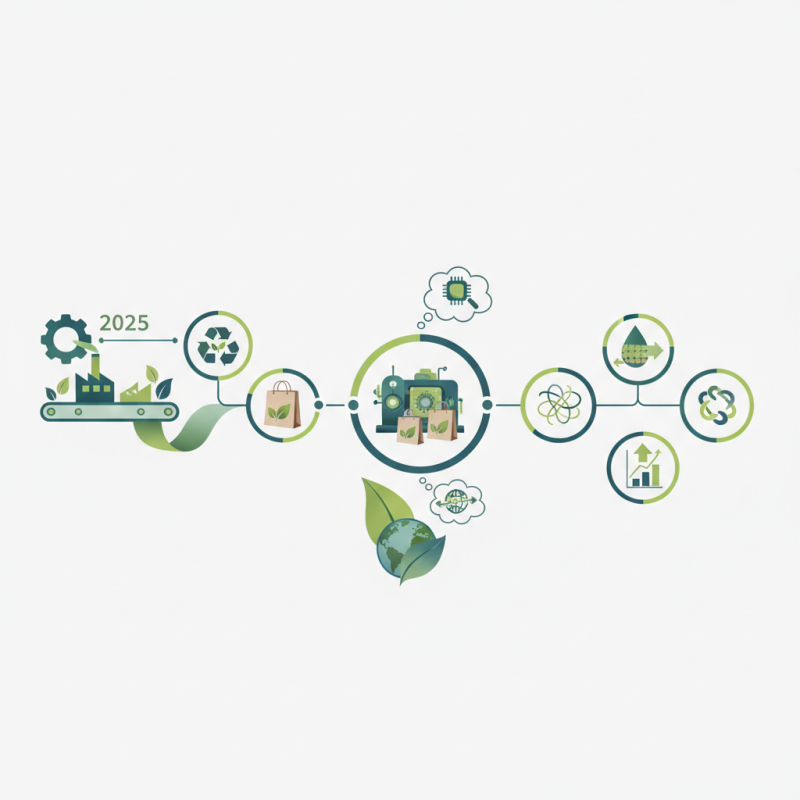
Trends in Sustainable Materials for Paper Bag Production in 2025
The production of paper bags is experiencing a significant shift towards sustainability, with materials innovation at the forefront. As we approach 2025, industry reports highlight a growing emphasis on eco-friendly raw materials, driven by consumer demand and regulatory pressures. According to a recent market analysis, the global demand for sustainable packaging solutions is expected to exceed $300 billion by 2025, with paper bags representing a substantial share of this growth. This trend reflects a broader commitment within the packaging industry to reduce plastic waste and embrace biodegradable alternatives.
Innovations in sustainable materials for paper bag production are also gaining momentum. Research indicates that the incorporation of recycled fibers and sustainable sourcing practices can reduce the carbon footprint of paper bags by up to 30%. Furthermore, advancements in manufacturing technologies, such as water-based adhesives and organic inks, are enabling producers to create environmentally friendly products without compromising on quality or performance. As the market landscape evolves, manufacturers who prioritize these sustainable practices are likely to gain a competitive edge, appealing to increasingly eco-conscious consumers while contributing to a circular economy.
Advancements in Automation Technology for Paper Bag Machines
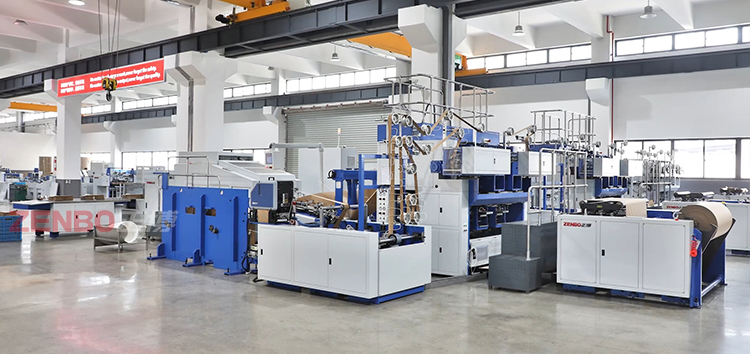
The advancement of automation technology is revolutionizing the production of paper bag machines, making them faster, more efficient, and environmentally friendly. With innovative software and robotics being integrated into manufacturing processes, businesses can now optimize their production lines. These advancements allow for real-time monitoring and adjustments, minimizing downtime and waste. Moreover, automated systems can produce a variety of bag sizes and designs, catering to diverse customer needs and preferences.
Tips: When exploring automation solutions for your paper bag manufacturing, consider the scalability of the technology. Ensure that the system can grow with your business and adapt to changing market demands. Additionally, investigate the training and support provided by technology vendors to facilitate a smooth transition to automated operations.
The trend toward smart manufacturing is also evident in paper bag machine innovations. Enhanced data analytics capabilities enable manufacturers to track performance metrics and identify bottlenecks in production. This data-driven approach not only increases productivity but also contributes to energy savings and sustainability. As businesses adopt these advanced technologies, they are positioned to lead in an increasingly competitive market focused on eco-friendly packaging solutions.
Tips: Always prioritize sustainability when implementing new technologies. Look for options that significantly reduce energy consumption and material waste, as this can enhance your brand reputation while positively impacting the environment.
Market Demand Analysis for Paper Bags and Their Production Equipment
The demand for paper bags has seen a significant uptick in recent years, driven by a global shift toward sustainable and eco-friendly packaging solutions. As consumers and businesses alike seek alternatives to plastic, the need for efficient production equipment tailored for paper bag manufacturing has skyrocketed. This trend is poised to influence design and innovation within the industry, as manufacturers look to enhance production efficiency and reduce waste. The market is increasingly favoring machinery that not only meets the rising demand but also adheres to stringent environmental standards.
Innovations in paper bag production equipment are focusing on automation and advanced technology. Manufacturers are investing in systems that utilize smart technology for real-time monitoring and quality control, ensuring a consistently high product standard. Furthermore, the integration of eco-friendly materials in the production process is becoming a priority, leading to the development of machines capable of working with various types of sustainable raw materials. This evolution in manufacturing processes is essential to meet consumer expectations while capitalizing on the growing market for environmentally conscious products.
Impact of Regulatory Policies on Paper Bag Manufacturing Innovations
Regulatory policies play a crucial role in shaping the landscape of paper bag manufacturing innovations. With increasing concerns over environmental sustainability, governments around the world are implementing stringent regulations aimed at reducing the plastic footprint. These policies not only encourage the use of biodegradable materials but also set standards for production processes, fostering innovation in the design and functionality of paper bags. As manufacturers adapt to these regulations, we can expect a surge in the development of advanced paper bag machines capable of producing high-quality, eco-friendly products that meet new industry requirements.
Moreover, regulatory incentives, such as tax breaks for environmentally friendly practices and grants for research and development, motivate manufacturers to invest in technology that enhances efficiency and sustainability. This shift is prompting companies to innovate in areas such as recycled raw materials and energy-efficient production techniques. The focus on compliance with environmental regulations stimulates competition among manufacturers to create high-performance paper bag machines that can produce a variety of bag styles, including those that incorporate features like moisture resistance and enhanced durability, catering to diverse market needs while aligning with green initiatives.
Integrating Smart Manufacturing into Paper Bag Production Processes
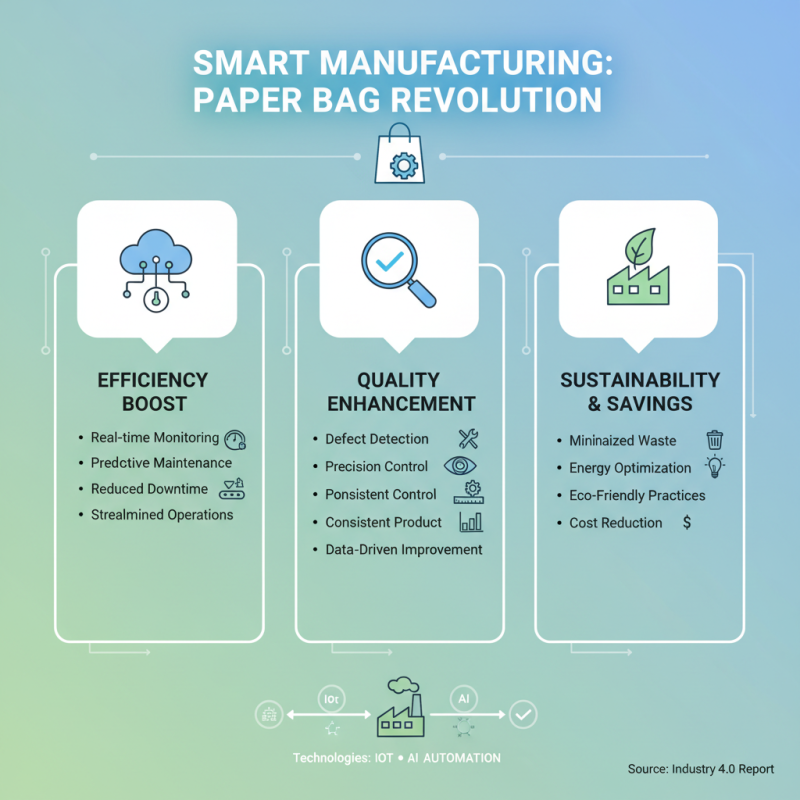
The integration of smart manufacturing into the paper bag production processes signifies a transformative shift that enhances efficiency, quality, and sustainability. By leveraging advanced technologies such as the Internet of Things (IoT), artificial intelligence (AI), and automation, manufacturers can significantly streamline their operations. For instance, IoT devices can monitor machinery in real-time, predicting maintenance needs and reducing downtime. This proactive approach not only boosts production efficiency but also minimizes waste, aligning manufacturing processes with sustainable practices essential for environmental responsibility.
Moreover, the adoption of AI in production planning and quality control allows for greater precision in the manufacturing of paper bags. AI algorithms can analyze data from various sources to optimize production schedules, ensuring that resources are used effectively. Additionally, machine learning techniques can enhance quality assurance by identifying potential defects earlier in the production cycle, allowing for timely adjustments. As smart manufacturing continues to evolve, the paper bag industry is poised to benefit from reduced costs and improved product quality, making it a vital player in the broader movement towards eco-friendly packaging solutions.
Emerging Trends in Customization and Design for Paper Bags
The landscape of paper bag design and production is evolving rapidly, driven by both consumer preferences and sustainability concerns. Customization is becoming a key trend, allowing brands to create unique paper bags that reflect their identity and values. By integrating personalized elements such as tailored graphics, distinct shapes, and interactive features, businesses can enhance customer engagement and make a memorable impact. This trend not only attracts consumers but also fosters brand loyalty, as customers feel a stronger connection to products that resonate with their individuality.
Moreover, innovative designs are transcending traditional layouts, embracing eco-friendly materials and advanced manufacturing techniques. The use of biodegradable coatings and recycled paper is gaining traction, aligning with the global push for sustainable practices. As environmental consciousness grows, companies are finding new ways to blend functionality with design, resulting in stylish yet robust paper bags that can serve multiple purposes. This evolution underscores the importance of aesthetics paired with eco-friendliness, ensuring that paper bags are not only visually appealing but also support a sustainable future.
Insights on Production of Paper Bag Machine Trends and Innovations (2025)
Future Projections for the Paper Bag Machine Industry Growth and Investment
The paper bag machine industry is on the brink of substantial growth, driven by rising environmental awareness and changing consumer preferences. The shift towards sustainable packaging solutions is projected to fuel investments in innovative machinery that enhances production efficiency while reducing environmental impact. As more businesses adopt eco-friendly practices, companies in the paper bag manufacturing sector are likely to allocate resources toward advanced technologies that streamline operations and improve product quality.
Future projections indicate that advancements in automation and smart manufacturing will play a crucial role in the evolution of paper bag machine production. The integration of IoT and machine learning technologies can lead to increased efficiency, reduced waste, and better production flexibility. Additionally, as regulatory pressures to minimize plastic waste intensify, the demand for paper bag machines is expected to surge, attracting investments from various stakeholders eager to capitalize on the green packaging trend. This presents a promising opportunity for innovation and growth within the industry, heralding a new era of competitive and sustainable manufacturing practices.
2025 Top Insights on Production Of Paper Bag Machine Trends and Innovations - Future Projections for the Paper Bag Machine Industry Growth and Investment
| Category | 2025 Projected Growth (%) | Investment Opportunities (USD Million) | Key Innovations | Market Drivers |
|
automatic paper bag machines | 8.5% | 150 | Smart Technology Integration | Environmental Sustainability |
| Multilayer Paper Bags | 7.2% | 100 | Improved Barrier Properties | Growing Demand for Eco-friendly Products |
| Customized Paper Bag Solutions | 6.8% | 80 | Printable and Malleable Materials | Rise of E-commerce and Retail |
| Recyclable and Biodegradable Options | 9.0% | 120 | Advanced Bio-materials | Government Regulations on Plastics |
Enhancing Efficiency in Packaging: A Deep Dive into the V-200 Fully Automatic V Bottom Paper Bag Making Machine
The V-200 Fully Automatic V Bottom Paper Bag Making Machine represents a significant step forward in the realm of paper bag manufacturing, especially for those specializing in luxury products. This state-of-the-art machine is designed to enhance efficiency while ensuring unmatched quality in the production of V-bottom paper bags. With its innovative technology, the V-200 achieves remarkable synchronization with the intricacies of the V-bottom process, allowing for seamless transitions and consistent output.
One of the key advantages of the V-200 is its ability to replicate the exquisite craftsmanship typically associated with high-end paper bags. By integrating advanced features and automated processes, manufacturers can not only increase their production capacity but also elevate the overall quality of their bags. The V-200 ensures that each product meets the industry's stringent standards, thus positioning companies to meet market demands with precision and artistry. In an increasingly competitive landscape, the V-200 stands out as a transformative solution for those looking to enhance their paper bag production capabilities.
FAQS
: Advancements in automation technology are making paper bag machines faster, more efficient, and environmentally friendly. Innovations in software and robotics allow for real-time monitoring and adjustments, optimizing production lines and minimizing downtime and waste.
Automated systems can produce a variety of bag sizes and designs, allowing manufacturers to cater to diverse customer needs and preferences while enhancing overall productivity.
Businesses should consider the scalability of the technology to ensure it can grow with their operations and adapt to changing market demands. Training and support from technology vendors are also important for a smooth transition.
Enhanced data analytics capabilities enable manufacturers to track performance metrics and identify production bottlenecks, leading to increased productivity, energy savings, and sustainability.
Regulatory policies encourage the use of biodegradable materials and set production standards, promoting innovation in paper bag design and functionality to meet environmental sustainability goals.
Regulatory incentives, such as tax breaks and grants for environmentally friendly practices, motivate manufacturers to invest in technologies that enhance efficiency and sustainability.
Manufacturers are innovating by utilizing recycled raw materials and adopting energy-efficient production techniques, developing advanced paper bag machines that meet new industry requirements.
Modern paper bags are increasingly incorporating features such as moisture resistance and enhanced durability, catering to various market needs while aligning with green initiatives.
Prioritizing sustainability not only enhances brand reputation but also positively impacts the environment by reducing energy consumption and material waste.
Compliance with environmental regulations stimulates competition among manufacturers to create high-performance paper bag machines that can produce a wide range of eco-friendly products.
Conclusion
The article titled "2025 Top Insights on Production Of Paper Bag Machine Trends and Innovations" explores key developments in the industry, focusing on the sustainability of materials used for paper bag production. It highlights the significance of automation technology advancements that are enhancing production efficiency and meeting surging market demands for paper bags. Regulatory policies are also examined, as they drive innovations in manufacturing processes to comply with environmental standards.
Furthermore, the article discusses the integration of smart manufacturing practices and the growing trends in customization and design within the production of paper bag machines. These factors contribute to the industry's projected growth and investments, painting a thorough picture of the future landscape for paper bag manufacturing. Overall, the insights provide a comprehensive overview of where the production of paper bag machines is heading, emphasizing the role of sustainability and innovation in shaping the industry's future.