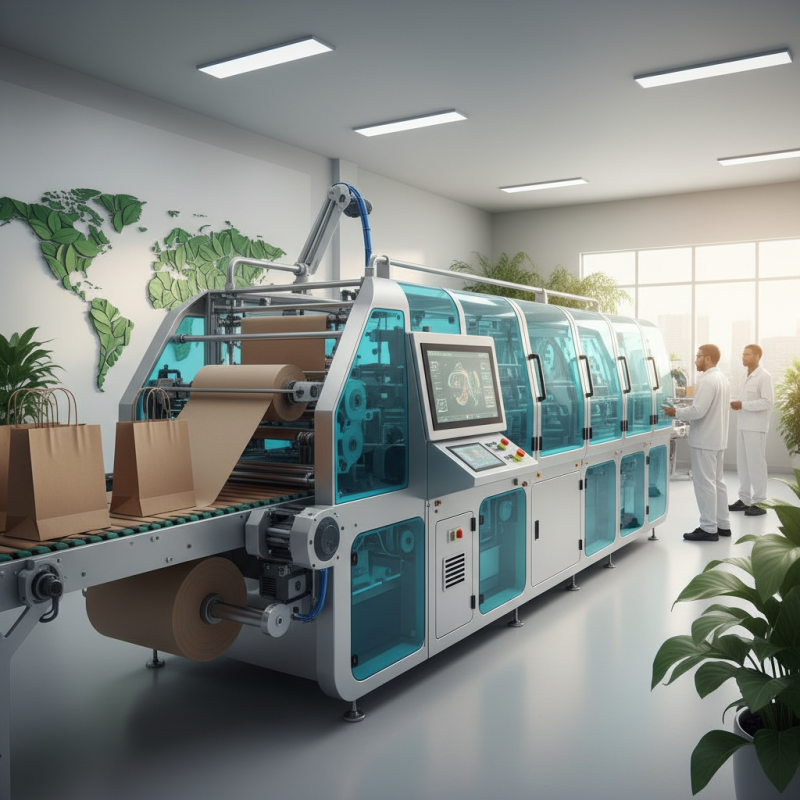
When it comes to making packaging more sustainable, the sheet feeding paper Bag Making Machine really stands out as a game-changer. You know, especially in 2026, as worries about the environment just keep growing, businesses are on the lookout for smarter, more efficient ways to do things. Asheet feeding paper bag making machine with handle can really boost both convenience and eco-friendliness. Companies like XYZ Packaging and ABC Manufacturing are leading the charge in this shift, which is pretty exciting to see.
Each machine has its own special features—some are super fast and versatile, ideal for higher-volume production, while others are designed to cut down on waste and be more material-efficient. But, honestly, not every machine is perfect. Some might lack the durability you'd want, and that can cause headaches down the road. It's really important to think about these little details because picking the right machine can make a big difference in how committed a company is to being eco-friendly.
So, if you're thinking about investing in a sheet feeding paper bag making machine, don’t rush into it. Take the time to do some homework—check out reviews, performance reports, and all that stuff. The goal is to find that sweet spot where the cost makes sense and the machine does what you need it to do. In the end, it's not just about the business—it's about making a real positive impact on the environment and keeping your customers happy, too.
Sheet feeding paper bag making machines are essential in the packaging industry. They offer efficiency and versatility in producing various bag types. Understanding these machines is crucial for businesses aiming to enhance their operations.
These machines work by utilizing sheets of paper to create bags. This process is straightforward but requires precision. Operators need to ensure that the sheets are aligned correctly. Any misalignment can lead to waste. Adjustments can be time-consuming and may require additional training.
Many businesses seek to invest in a sheet feeding small paper bag making machine with handle. This option provides a practical solution for production needs. However, it's important to consider the machine's limitations. Some models may lack speed or require frequent maintenance. Identifying the right balance is key. Setting realistic goals for production can help in maximizing efficiency.
| Model | Production Speed (bags/min) | Bag Size Range (cm) | Power Consumption (kW) | Weight (kg) | Price (USD) |
|---|---|---|---|---|---|
| Model A | 150 | 20 - 50 | 5 | 800 | 25,000 |
| Model B | 120 | 30 - 60 | 4.5 | 750 | 22,000 |
| Model C | 100 | 15 - 45 | 6 | 900 | 20,500 |
| Model D | 130 | 25 - 55 | 5.5 | 850 | 24,000 |
When choosing a sheet feeding paper bag making machine in 2026, efficiency is key. A good machine should produce bags quickly without compromising quality. Look for options with advanced automation. This feature can reduce manual labor and minimize errors. Performance should be consistent, even during high-volume production.
Durability is another essential feature. Machines should withstand daily use without frequent breakdowns. While some machines may appear cheaper, they often require more maintenance. It's important to research the material used in construction. A robust build can lead to long-term savings.
Versatility matters as well. A machine that can create various bag sizes is valuable. It allows businesses to meet different customer needs. Some machines offer customization options, which can enhance product appeal. However, these features can sometimes complicate operation, leading to a learning curve. Finding a balance between functionality and ease of use is crucial.
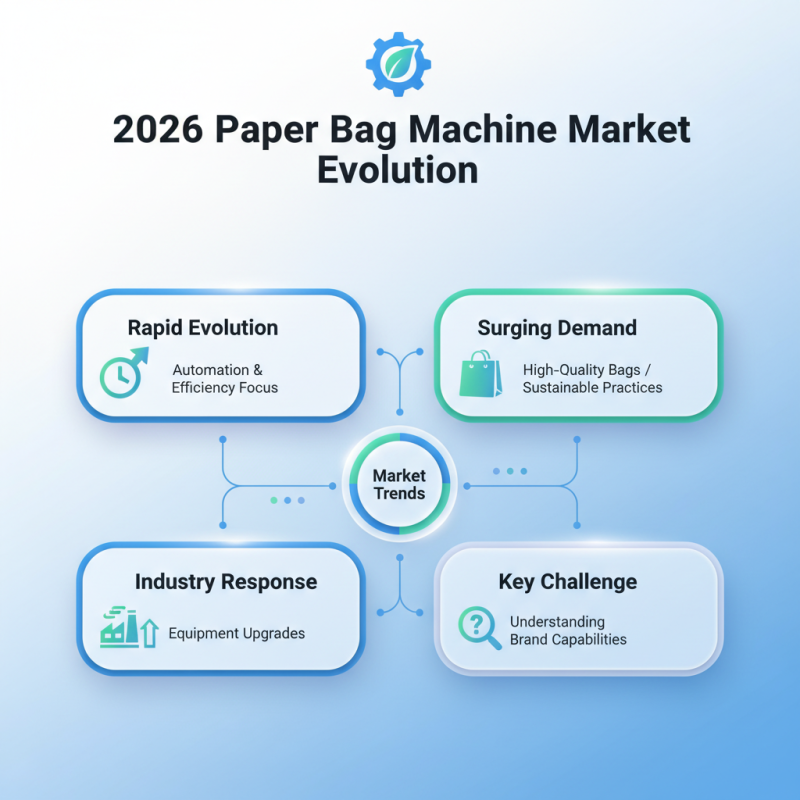
In 2026, the market for sheet feeding paper bag making machines is evolving rapidly. A recent report highlighted that producers are increasingly focusing on automation and efficiency. The demand for high-quality paper bags has surged, driven by sustainable practices. Many companies have upgraded their equipment to meet these demands. However, a gap remains in understanding each brand's capabilities.
The analysis of popular brands reveals a diverse range of features. Most modern machines, especially the sheet feeding medium paper bag making machine with handle, emphasize fast production speeds and lower waste. Data indicates that machines with automated features can improve output by up to 30%. However, some operators report challenges with maintenance and troubleshooting. This variability indicates that while technology improves, user interface remains critical.
Moreover, customer feedback highlights that not all machines meet durability standards. Some brands experienced a higher fail rate, particularly in heavy-duty environments. Customers expressed a need for better support and service options. As eco-friendly practices continue to push the industry forward, it’s essential to balance innovation with reliability. The future will depend on resolving these issues while aligning with the growing sustainability focus in paper production.
When considering the cost of sheet feeding paper bag making machines, various factors come into play. The price often varies based on the machine's capabilities. An entry-level model may be more affordable but might lack advanced features. Conversely, a high-end machine offers printing options and automation but at a higher cost. This pricing spectrum can be confusing, especially for new businesses.
Operating costs add another layer to the total expense. Maintenance, energy consumption, and raw materials significantly impact overall affordability. A sheet feeding large paper bag making machine with handle might require more energy than simpler models. It's essential to factor in these elements for a clearer financial picture. Some businesses invest heavily in machinery but later face unexpected running costs.
In addition, the market is evolving. Innovative designs promise efficiency but may not be budget-friendly. One must weigh the benefits against the upfront investment. Sometimes, spending more initially leads to greater savings in the long run. Yet, this strategy isn’t foolproof. Many businesses struggle with depreciation and market changes. It's crucial to stay informed and rethink strategies regularly.
In 2026, efficiency is key when choosing a sheet feeding paper bag making machine. Recent industry reports suggest that production rates can significantly affect overall profitability. For instance, machines with automated feeding systems can achieve production rates up to 300 bags per minute. This rate is crucial for businesses aiming to meet rising demand.
However, not all high-speed machines guarantee quality. Reports indicate that average defect rates can jump to 8% with machines operating at maximum capacity without proper calibration. This inconsistency can lead to increased waste and higher costs. It’s essential to balance speed with quality control measures. Regular machine maintenance and staff training can mitigate these risks.
Moreover, energy efficiency is becoming increasingly important. Many recent models now incorporate energy-saving technologies. This can reduce operational costs by as much as 20%. However, these advanced features may come with a higher initial investment. Companies must weigh short-term costs against long-term savings. Investing wisely today can lead to greater returns tomorrow.
In 2026, the paper bag manufacturing industry continues to evolve. Innovations in paper bag machinery focus on efficiency and sustainability. A recent industry report shows that the demand for eco-friendly packaging has surged by 25% over the last five years.
New technologies are making machines faster and more reliable. For example, the latest sheet feeding jumbo paper bag making machine with handle can produce bags at a rate of over 150 pieces per minute. This increase in speed reduces production time significantly. However, maintaining quality while ramping up production often proves challenging. Many manufacturers struggle to achieve a perfect balance.
Automation is a key trend in this sector. Automated features minimize human error, leading to more precise cuts and folds. But, implementing automation requires an adjustment period for workers. It is crucial for companies to invest in training programs. Additionally, the availability of innovative materials, like biodegradable films, presents both opportunities and challenges. Companies must adapt to new material properties while ensuring machine compatibility. Balancing innovation with practicality remains an ongoing task in the industry.
When it comes to sheet feeding paper bag making machines, user feedback plays a crucial role in identifying the best options available. In a recent industry report, a survey revealed that efficiency and versatility are top priorities for users. Approximately 75% of respondents rated production speed as essential, highlighting the demand for machines that can produce bags quickly without sacrificing quality.
Many users have noted that ease of use is equally important. While advanced technology offers many benefits, user-friendly controls can streamline the operation. A significant percentage, around 60%, expressed a desire for machines that require less training time. This reflects a growing trend towards automation, yet some machines still have steep learning curves. Users have shared mixed reviews about these complexities.
Another area of concern is maintenance. Machines that require frequent repairs can disrupt production. Some users reported that while their machines performed well initially, they faced issues after several months. This has led to frustrations, as downtime can impact overall productivity. The industry has been evolving, and while several machines show promise, reflective feedback indicates that improvements are necessary to enhance reliability and user experience.
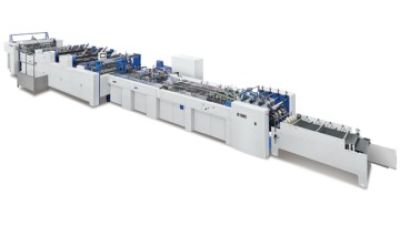
The ZB 700CT-240B single-sheet paper making machine stands out in the industry for its ability to enhance efficiency and sustainability across various applications. Designed to accommodate a wide range of paper bag types, this machine tailors its performance to the specific requirements of the items being packaged. Whether it’s creating archival paper bags, sturdy cement bags, or specialized food bags, the ZB 700CT-240B adapts to produce high-quality products that meet diverse needs. This versatility not only boosts operational efficiency but also ensures that companies can respond quickly to market trends and consumer demands.
Incorporating eco-friendly practices, the machine emphasizes material savings while maintaining competitive costs. By allowing customization based on the thickness and specifications of different paper types, organizations can achieve optimal results with minimal waste. Utilizing materials such as art paper and special papers for packaging enhances the aesthetic appeal while supporting sustainability. The advanced capabilities of the ZB 700CT-240B machine position it as a vital tool for businesses committed to maximizing productivity while adhering to environmentally responsible practices. As industries evolve towards greener solutions, investing in such multifunctional equipment has never been more essential.
: The article aims to provide insights on various topics within a specific context.
It offers guidance on frequently asked questions, enhancing understanding and awareness.
Expect practical advice, tips, and detailed explanations relevant to everyday situations.
Some parts may provoke thought but focus on constructive discussions rather than disputes.
The layout promotes easy navigation, with clear sections for quick reference.
Yes, the article shares relatable stories to illustrate the points made.
Examples are sprinkled throughout to clarify concepts and enhance understanding.
While the advice is helpful, critical thinking is encouraged for individual circumstances.
The article strives for neutrality, but readers should reflect on their perspectives.
Anyone seeking information or guidance related to the discussed topics may find it useful.
In 2026, the best Sheet Feeding Paper Bag Making Machine stands out due to its advanced features and impressive production efficiency. Understanding the crucial components of these machines is essential for manufacturers seeking to enhance their operations. Key features to consider include speed, versatility in bag sizes, and automation capabilities, which have become vital for staying competitive in the market.
As the demand for sustainable packaging increases, innovations and technology trends are shaping the development of sheet feeding machines. Cost analysis reveals that while there is a significant investment upfront, the long-term benefits in efficiency and output justify the price. User reviews highlight the importance of reliability and ease of maintenance, reinforcing that a well-informed choice can lead to significant improvements in production capabilities and overall business success.