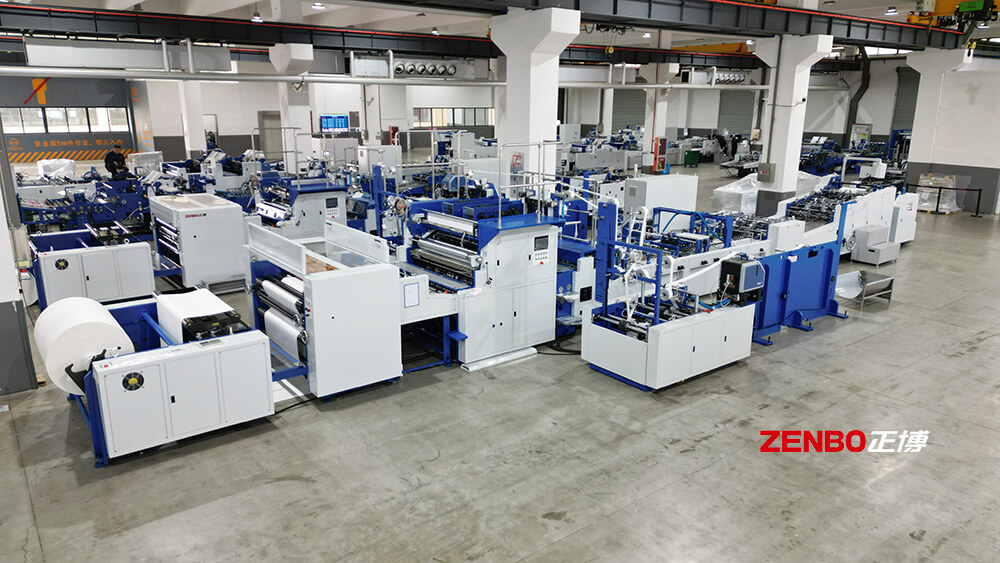
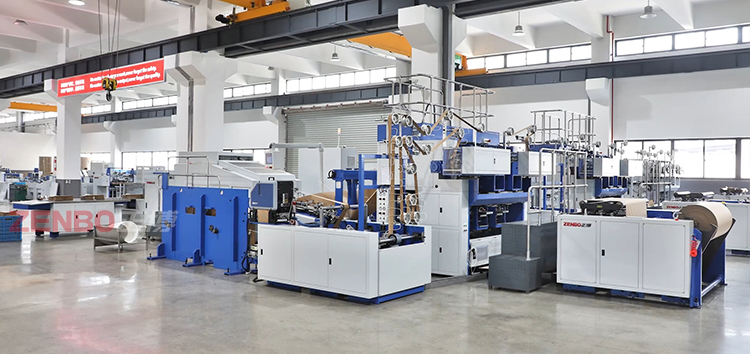
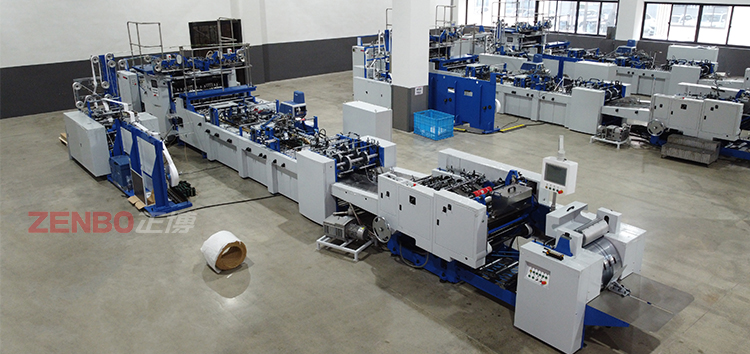
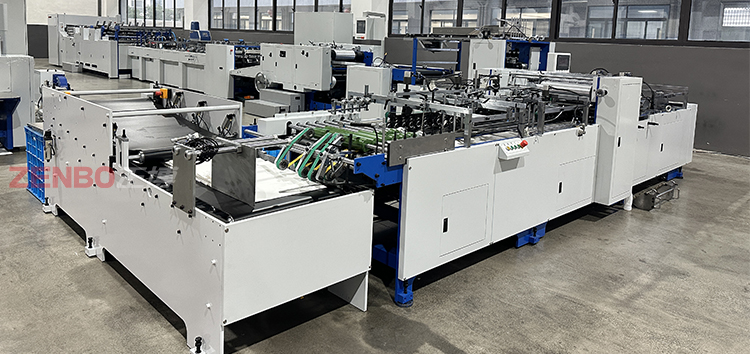
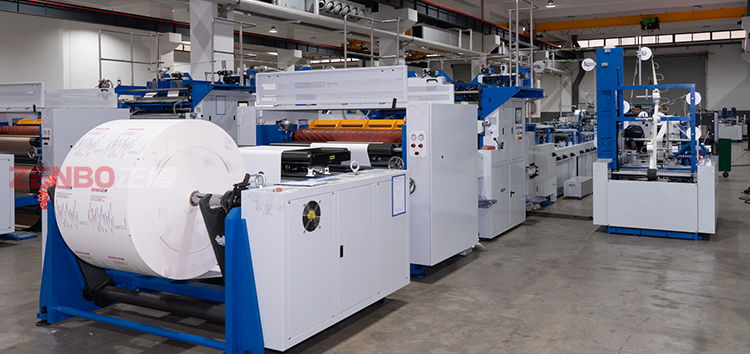
When you're diving into the world of making high-quality paper bags, picking the right equipment is a pretty big deal. One of those must-have machines is definitely the Paper Bag Bottom Folding Machine. Honestly, it really helps boost efficiency and makes sure everything’s done with precision, so your bags turn out strong and reliable. In China, there are quite a few companies that are actually quite skilled at this — they offer a bunch of different models to suit all sorts of production needs.
Now, if you’re looking at options, the Square Bottom Folding Paper Bag Machine is worth mentioning. It’s built for both versatility and speed, which is pretty awesome. Well-known players like ABC Packaging and DEF Machinery have made a name for themselves here, pushing out innovative designs that even meet CE certification standards. That kind of certification? It’s a good sign — it shows they’re trustworthy and playing fair in this competitive market.
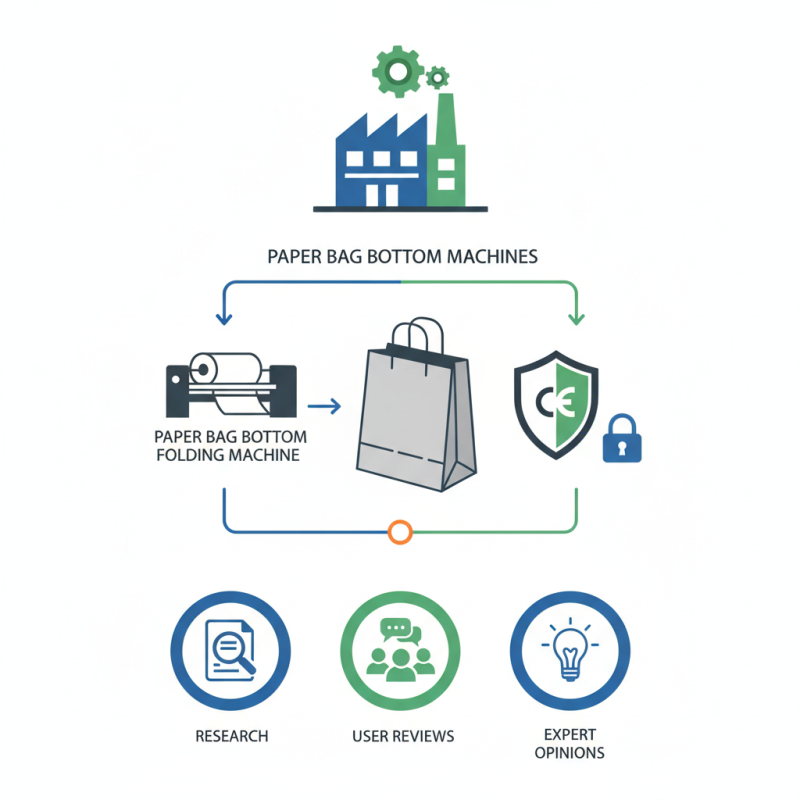
But here’s the thing — not all machines are created equally. Some might not be as reliable as you'd hope, especially if you’re dealing with lesser-known brands. So, before you drop your cash, it’s really smart to dig a little deeper — read reviews from other users, ask around, or maybe get some advice from experts. At the end of the day, investing in a solid Paper Bag Bottom Folding Machine isn’t just about keeping up — it’s about setting your business up for long-term success.
Understanding CE Certification for paper bag machines in China is crucial for manufacturers. CE certification indicates compliance with European health and safety standards. It reassures customers about the quality of the Paper Bag Bottom Folding Machine. Without this certification, machines may face market entry barriers in Europe and elsewhere.
Manufacturers must navigate the complex certification process. This often involves rigorous testing of their machines. They should ensure that the Paper Bag Bottom Folding Machine meets all relevant standards. Details matter, from the materials used to the machine's design. Some manufacturers may overlook specific requirements, leading to delays in certification.
Moreover, ongoing compliance is important. A machine needs regular inspections to maintain its CE mark. Manufacturers should not underestimate these tasks. Understanding regulations can be daunting but is essential. Investing time in research pays off. It enhances credibility and opens new market opportunities.
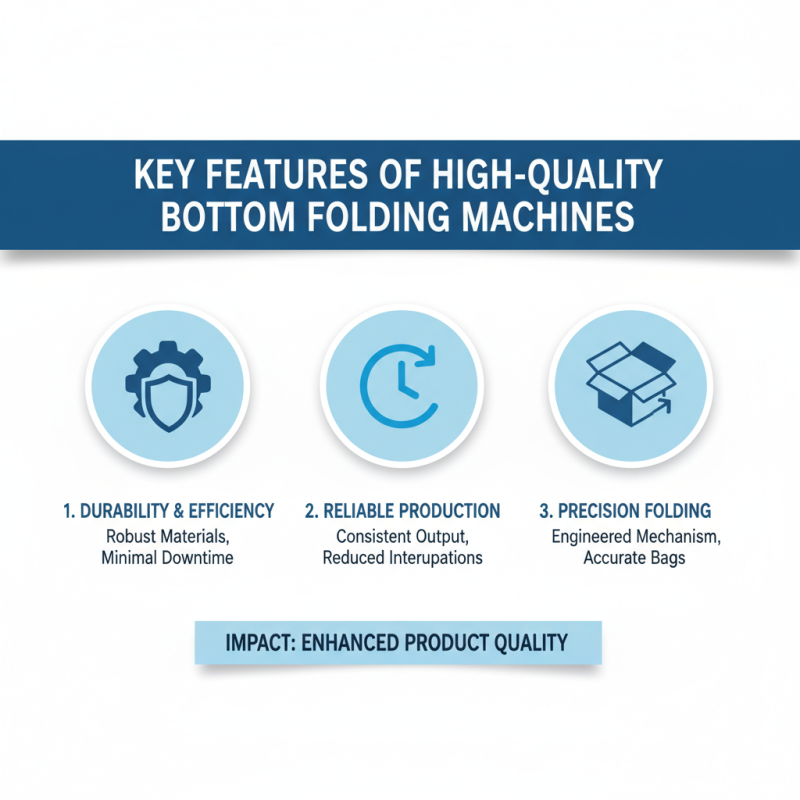
When considering a bottom folding machine, certain features define its quality. High-quality machines offer durability and efficiency. They are constructed with robust materials that withstand continuous use. A reliable machine minimizes downtime, ensuring that production remains consistent. It is vital to evaluate the design of the folding mechanism. A well-engineered mechanism enhances accuracy in folding bags, directly impacting the final product's quality.
User-friendly interfaces are another critical aspect. Operators need to understand machine functions easily. Intuitive controls simplify the operation, reducing training time. Speed adjustments can help accommodate different production needs. However, not all machines provide the same level of performance. Some may have limitations in flexibility for various bag sizes, which could affect the manufacturing process.
When selecting a bottom folding machine, look for those with a reputable track record. User reviews and industry feedback are valuable indicators of reliability. It's essential to reflect on the machine's performance over time. Regular maintenance can be a challenge, and neglecting it leads to potential issues. Proper upkeep ensures longevity and consistent output quality. Such insights can help guide manufacturers in their purchasing decisions.
The demand for paper bag machines in China continues to grow. Consumers are becoming more environmentally conscious. This shift drives businesses to look for sustainable packaging options. Paper bags are gaining popularity due to their recyclability. Manufacturers are responding to this trend by producing various machines.
When considering a Semi Automatic Paper Bag Square Bottom Folding Machine, understanding market trends is crucial. There's an increase in demand for high-quality, efficient machines. Businesses are seeking equipment that enhances productivity while minimizing waste. Observing industry needs helps manufacturers develop features that resonate with buyers.
Tips: Always check the specifications of a machine before purchasing. Ensure it meets your production needs. Consider the machine's support and maintenance services. As with any investment, do thorough research. Learn from industry experts to make informed choices. Design changes may emerge, so stay updated on innovations.
| Dimension | Value |
|---|---|
| Annual Demand for Paper Bag Machines in China (Units) | 40,000 |
| Market Growth Rate (2023-2027) | 15% CAGR |
| Average Price of a Paper Bag Machine (USD) | $25,000 |
| Percentage of CE Certified Machines in Market | 70% |
| Leading Application Industries | Food Packaging, Retail, E-commerce |
| Export Share of Total Production | 30% |
When exploring the market for paper bag bottom folding machines, quality and performance are key. Manufacturers that hold CE certifications display credibility and adherence to safety standards. The demand for sustainable packaging solutions is surging. A recent report estimated that the global paper bag market will reach $4.9 billion by 2026, growing at a CAGR of 4.2%. This growth prompts the need for reliable machinery.
Among the top manufacturers, many offer innovative solutions like the Semi Automatic Big Paper Bag Square Bottom Folding Machine. This equipment enhances efficiency in producing square bottom bags, which are popular for their stability and capacity. Reports indicate that companies can reduce production time by up to 30% with such machines.
Yet, not all manufacturers achieve excellence. Quality control varies across the industry. Some machines may struggle with consistent bag sizes or speed during operation. Businesses must carefully evaluate different options, taking into account machine reliability and after-sales support. The selection of a manufacturing partner is critical to maintaining production standards.
When exploring the performance metrics of high-quality folding machines, it’s essential to focus on China Square Bottom Folding Paper Bag Machine. These machines vary significantly in efficiency and output. Speed is often a critical factor, influencing how many bags can be produced in a timeframe. Some models boast impressive speeds, but they may compromise on precision.
Reliability is another crucial metric. Machines that frequently require maintenance can disrupt production schedules. Examining build quality helps assess how well a machine will perform over time. A sturdy machine may cost more upfront but could save money on repairs later. The internal components, such as cutting tools and sealing mechanisms, can impact both quality and durability.
Moreover, operators must consider user-friendliness. Complex controls can lead to mistakes and downtime. Training staff on intricate settings might be necessary, reflecting on the importance of straightforward machinery. While high-performance metrics are appealing, the overall effectiveness of a China Square Bottom Folding Paper Bag Machine also relies on how easily it integrates into existing workflows. Balancing these elements is vital for achieving optimal production outcomes.
Investing in a paper bag manufacturing machine can appear costly at first glance. However, a thorough cost-benefit analysis reveals its potential advantages. The initial investment leads to increased production efficiency. High-quality machines improve output, reducing labor costs. Lower operational expenses can result from energy-efficient models.
Securing a CE certification adds value, enhancing marketability. Customers are increasingly focused on sustainability. A reliable paper bag machine produces eco-friendly products, appealing to a broader audience. Businesses can leverage this demand, increasing their market share.
However, not all machines guarantee success. Choosing the wrong equipment can lead to inefficiencies. It's crucial to assess production needs carefully. Regular maintenance and skilled operators are essential for maximizing return on investment. Stay informed about industry trends and technological advancements to ensure continual growth.
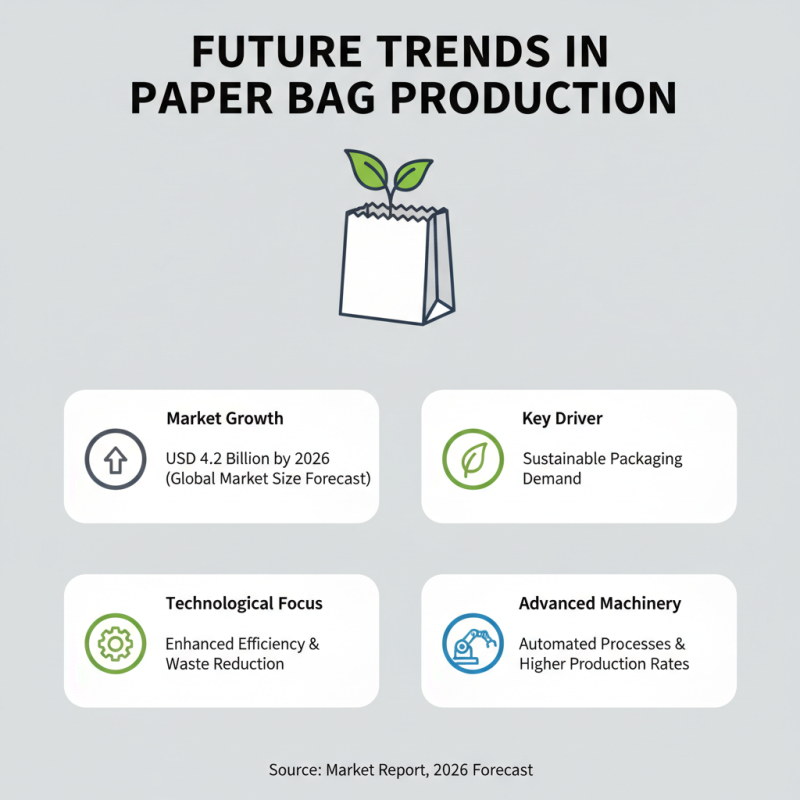
As the demand for sustainable packaging grows, the paper bag production industry is rapidly evolving. According to a market report, the global paper bag market size is expected to reach USD 4.2 billion by 2026. This shift underscores a pressing need for advanced machinery. Manufacturers are now focused on enhancing efficiency and reducing waste. High-quality machines feature automated processes that minimize human error and improve production rates.
Technology trends highlight the rise of smart machinery equipped with IoT capabilities. These machines allow real-time monitoring for optimal performance. Data analytics can lead to better maintenance schedules, reducing downtime. Additionally, eco-friendly features are becoming essential. Machines that use less energy and produce biodegradable bags align with global sustainability goals.
However, challenges remain. The initial investment in advanced machinery can be a barrier for small manufacturers. Additionally, the skills gap in operating sophisticated equipment presents a need for workforce training. As the industry moves forward, embracing innovation while addressing these challenges will be crucial for growth in paper bag production technology.
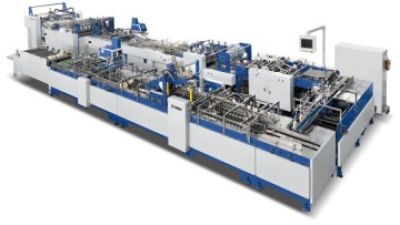
The ZB 1450CS-550S and ZB 1200CS-430S fully automatic paper making machines represent a significant evolution in the paper bag production industry, targeting enhanced production efficacy. These advanced machines are designed to streamline the entire bag-making process, integrating cutting, gluing, and sequential handling of paper materials to ensure precision and efficiency. By adopting state-of-the-art automated technologies, they facilitate a remarkable shift from traditional handmade methods to fully automated production, thereby doubling the efficiency of paper bag output.
Key features of these machines include innovative functions such as pull-down cam clamping, embedded automatic folding, and automated bottom card placement, which are instrumental in increasing production capabilities. This series of equipment is adept at handling various types of paper, including coated paper, kraft paper, and white cardboard, ensuring versatility in production. The standard configurations, such as automatic top folding and square bottom cardboard inserting, further enhance operational efficiency, making these machines indispensable for modern paper bag manufacturing.
: They are used to produce square bottom paper bags efficiently. These bags are known for their stability and capacity.
CE certification demonstrates credibility and adherence to safety standards. It adds value to the product.
It increases production efficiency and reduces labor costs over time. High-quality machines improve overall output.
Evaluate machine reliability, production needs, and after-sales support. Choosing wisely is essential for maintaining production standards.
Some machines may struggle with consistent sizes or speeds. Not all choices guarantee efficiency or reliability.
Customers are increasingly focused on eco-friendly products. A reliable machine produces sustainable bags, meeting this demand.
Regular maintenance is crucial. It helps in maximizing the return on investment and prevents inefficiencies.
The global paper bag market could reach $4.9 billion by 2026, growing at a CAGR of 4.2%.
Energy-efficient models may lower operational expenses, contributing to better profitability.
Being informed helps businesses adapt to changes. It supports continual growth and maintains competitiveness in the market.
The article titled "China Best High Quality CE Certification Paper Bag Bottom Folding Machine Manufacturers Guide" provides a comprehensive overview of the significance of CE certification for paper bag machines in China. It highlights the key features that distinguish high-quality Paper Bag Bottom Folding Machines, ensuring they meet industry standards and customer expectations. With a growing market demand for eco-friendly packaging solutions, the analysis delves into the current landscape of paper bag machines, emphasizing the performance metrics of leading models.
Moreover, the article presents a cost-benefit analysis, allowing potential investors to evaluate the financial viability of acquiring paper bag manufacturing equipment. It concludes with a look into future trends in paper bag production technology and machinery, illustrating how advancements may shape the industry and enhance the capabilities of Paper Bag Bottom Folding Machines. This guide serves as a valuable resource for manufacturers and investors looking to navigate the evolving market.