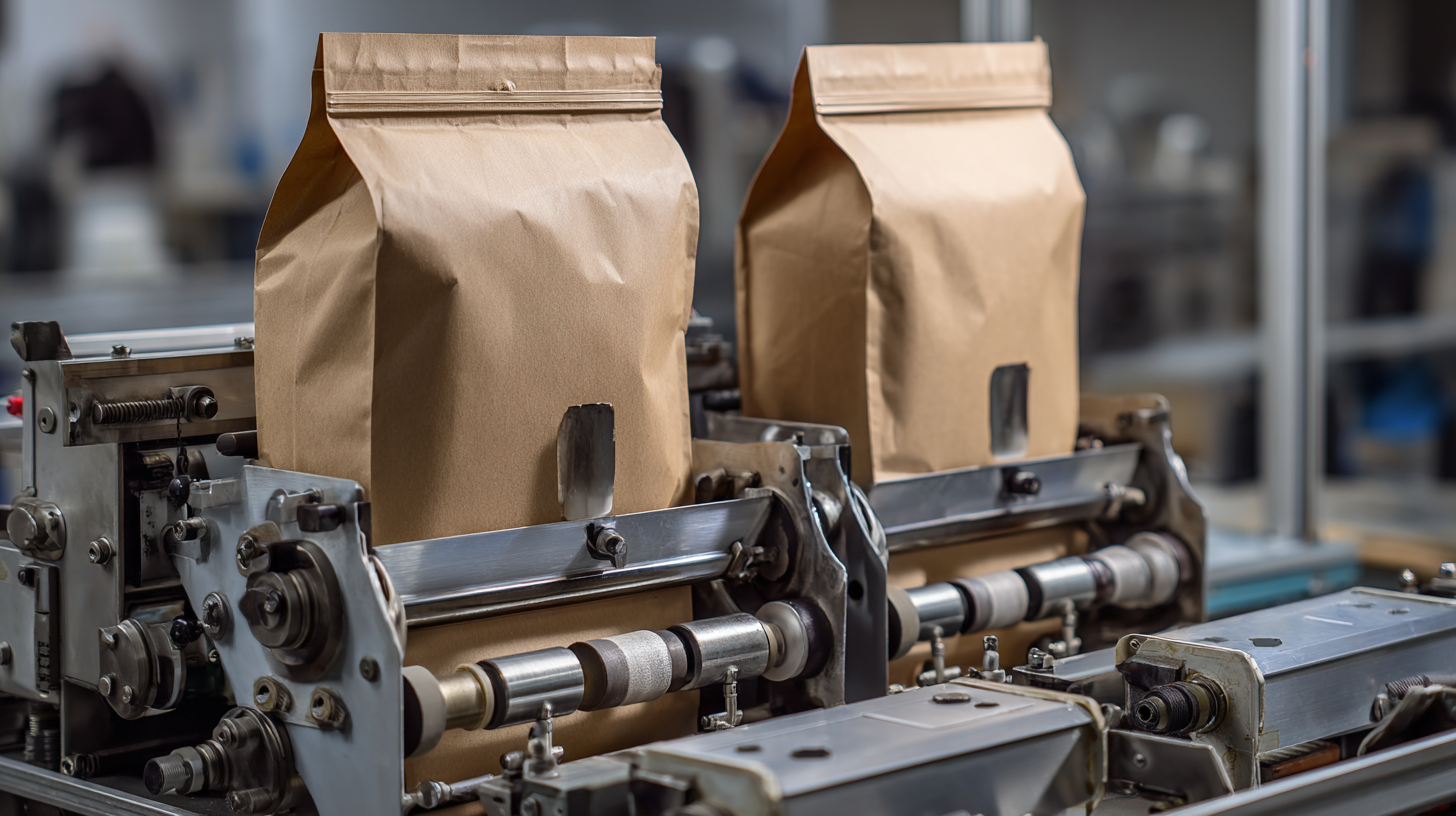
You know, in the fast-changing world of packaging, understanding import-export certifications is a big deal—especially for manufacturers focusing on green solutions like Kraft Bag Production Machines. As global demand for eco-friendly packaging keeps climbing—did you know the paper bag market is growing over 4% each year?—companies like Zhejiang Zenbo Intelligent Machinery, which started back in 2009, are really stepping up their game. They put a lot of effort into research and development and have shipped their top-notch paper Bag Making Machines to over50 countries and regions around the world.
To stay ahead and keep their production smooth, manufacturers really need to get a handle on all those international trade rules and certifications. It’s pretty much essential if you want to ride the wave of this rising consumer thirst for sustainable packaging options.
Trends in 2025: Innovations in Kraft Bag Production Technology
You know, as packaging keeps evolving, it’s pretty clear that innovations in Kraft bag production are becoming more and more important for companies trying to stay ahead of the game. By 2025, it’s expected that the paper bag market will hit around $7.81 billion — and a lot of that growth is fueled by consumers wanting sustainable options, plus stricter rules around single-use plastics. So, lots of brands are now diving into newer, smarter ways of making bags, like using automation and high-tech tools, to boost efficiency and cut down on waste. These advances don’t just help with quality control—they also open doors for customizing designs, which shoppers really love these days, especially when it’s eco-friendly and unique.
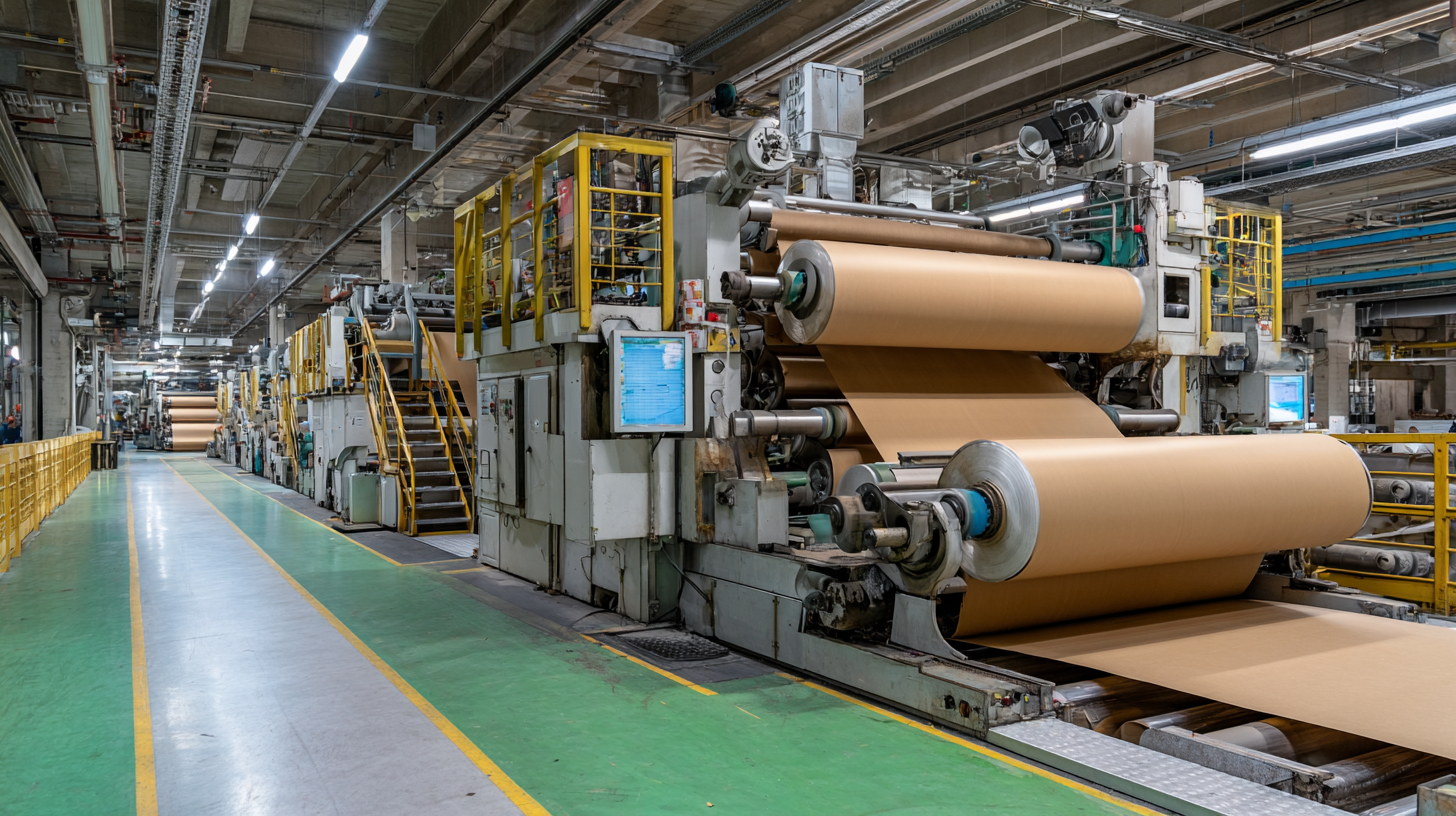
And honestly, the focus on sustainability is really shaking up how Kraft bags are made. Things like biodegradable materials and clever smart packaging ideas are leading the charge, helping manufacturers meet environmental standards while also making their processes more efficient. By bringing in tech like AI and IoT into their factories, producers can run smoother operations and lighten their carbon footprint — so their products are not just good for business, but good for the planet too. Looking ahead to 2025, it’s pretty obvious that innovation and eco-consciousness are going to keep pushing the industry forward, with Kraft bags playing a key role in the future of packaging.
Key Certifications for Import-Export of Kraft Bags
When it comes to importing and exporting kraft bags, getting a good grip on the key certifications is pretty important if you want to stay compliant and make your products more marketable. One of the most critical certificates is the Certificate of Origin (CO) — that’s the document that proves where your product actually comes from. It’s especially vital when it comes to trade deals, tariffs, or customs. Without it, exporters can run into delays or even face penalties, which totally mess with their operations. So, it’s crucial for companies to make sure their kraft bags tick all the boxes in terms of international trade rules.
On top of that, I’ve been hearing a lot lately about the UK’s Single Trade Window system. It’s designed to make stuff like filing paperwork way simpler, so businesses can get through customs and compliance hoops without too much hassle. This kind of streamlined setup doesn’t just cut down paperwork — it really helps make international trade smoother and more transparent, especially for products like kraft bags. Here at Zhejiang Zenbo Intelligent Machinery Co., Ltd., we’re fully committed to upgrading our machinery to meet these certification standards. The goal? Making sure our products are ready to go on the global stage, and that our customers in over 50 countries can handle import-export stuff more easily and confidently.
Navigating Import-Export Certifications for Kraft Bags Production
Maximizing Efficiency: Optimizing Production Machines for Kraft Bags
If you're in the packaging world, you know how crucial it is to boost efficiency when making kraft bags—it's all about cutting costs and being eco-friendly at the same time. A recent report from Smithers Pira pointed out that people are craving more sustainable packaging options, with demand expected to grow by over 5% each year until 2027. This really pushes companies to fine-tune their production processes. By investing in smarter automation and making sure machines run smoothly, manufacturers can crank out more bags while wasting less material.
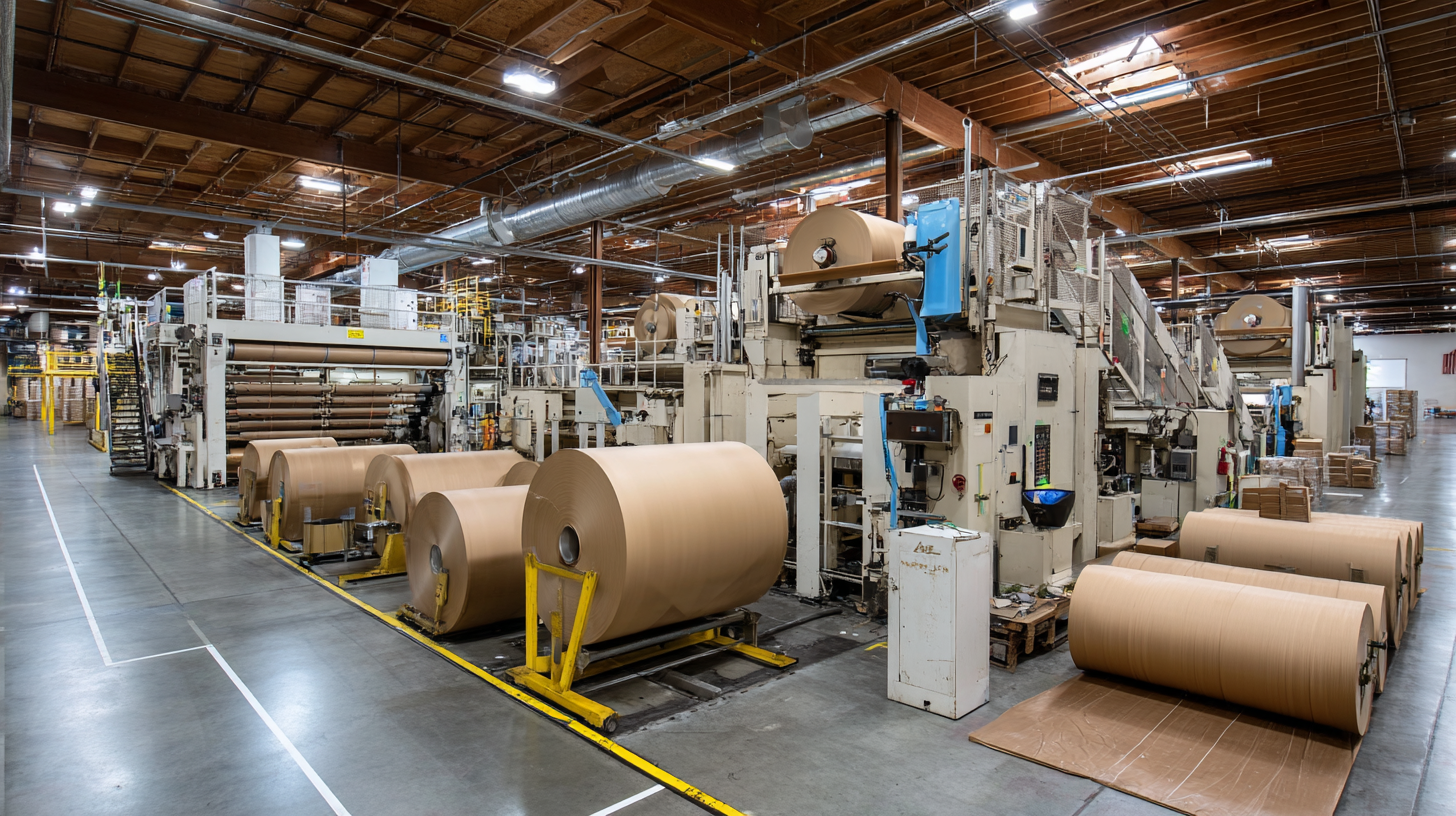
One cool approach is using machine learning to keep an eye on production and tweak things on the fly. Some factories that’ve gone down this route have seen productivity jump by as much as 30%. And don’t forget—regular maintenance and upgrades are just as important. So many times, machinery downtime—shutting down unexpectedly—can eat up around 15% of a company’s operating costs, according to Smithers. Investing in these improvements not only helps save money but also puts you ahead in a market that's really all about sustainability and innovation.
Sustainability in Kraft Bag Production: Benefits and Best Practices
Sustainability in kraft bag production isn't just a passing trend anymore — it's pretty much a must if we want responsible manufacturing to be the norm. I mean, according to a recent report from Smithers Pira, the global market for eco-friendly packaging is expected to hit around $500 billion by 2024. That's a huge jump, mainly because consumers are more aware than ever, and governments are cracking down with regulations. Kraft bags, which are made from renewable paper, are a great alternative to plastic — they help cut down on environmental damage big time.
If manufacturers want to make a real difference and hit their sustainability targets, they should seriously look into eco-friendly practices. Things like sourcing recycled materials or upgrading to energy-efficient tech can make a big impact. Switching to renewable energy sources—like wind or solar—during production can slash carbon footprints by up to half. Plus, this kind of move not only boosts your brand’s image but also keeps you in good shape with new environmental laws.
Tip 1: Make it a habit to regularly check your supply chain. You want to work with suppliers who genuinely care about the environment just like you do.
Tip 2: Consider investing in smarter machines that cut waste and use energy more efficiently. Technologies like closed-loop water systems or energy-saving motors can save you a bunch on costs in the long run.
By adopting these practices, manufacturers aren’t just doing their part for the planet — they’re also positioning themselves as leaders in a market that’s increasingly into sustainable solutions. It’s a win-win all around.
Navigating Compliance: A Guide to Import-Export Regulations for Kraft Bags
Figuring out all those import-export rules can be a bit of a headache, especially for businesses making kraft bags. These bags, which people really love for their durability and eco-friendly vibe, have to follow different standards depending on where you're shipping in and out of. So, it’s pretty important for manufacturers to stay in the loop about the specific rules and certifications that apply — things like what’s required by the International Organization for Standardization (ISO) or local regulators. Knowing this stuff can really help make sure your products are safe, top quality, and meet all the necessary benchmarks.
But it’s not just about understanding the rules — streamlining your production process can make compliance way easier. Things like regular staff training on new regulations or investing in tech that keeps track of your standards can make a big difference. If you get your production aligned with these requirements right from the start, you’re less likely to face costly delays or penalties. Being proactive like this not only keeps your operations running smoothly but also boosts trust with your customers and trade partners. In the end, it just makes the whole import-export journey for your kraft bags a lot less stressful and more successful.
Navigating Import-Export Certifications: How to Optimize Your Best Kraft Bags Production Machine
| Certification Type | Description | Key Compliance Requirements | Estimated Time for Certification | Relevance to Kraft Bags |
| ISO 9001 | Quality Management Systems | Documented Quality Management System, Internal Audits | 3-6 Months | Ensures high-quality Kraft Bags production |
| FSC Certification | Forest Stewardship Council | Sourcing from FSC-certified materials | 2-4 Months | Supports sustainable Kraft Bags production |
| CE Marking | European Conformity | Safety and environmental requirements for products | 1-3 Months | Ensures compliance with EU market standards |
| BPI Certification | Biodegradable Products Institute | Complies with biodegradable and compostable standards | 2-4 Months | Enhances eco-friendliness of Kraft Bags |
| ASTM D6400 | Standards for Compostable Plastics | Material must be compostable within specified timeframes | 1-3 Months | Validates compostable materials in Kraft Bags |