Lately, the Making Bags Machine industry has really taken off. I read somewhere, like in a report from Global Market Insights, that the market’s expected to hit around $4.5 billion by 2026. Pretty impressive, right? A big part of this boom seems to come from the rising demand for eco-friendly packaging options. Experts say that automation—those modern machines—are pretty much the secret to keeping things efficient and smooth sailing.
John Smith, who’s pretty well-known in the packaging world and works with Packaging Innovations, mentioned, 'The Making Bags Machine is pretty much essential these days if you want to keep up with the fast-paced, sustainable packaging needs.' That really hits the nail on the head, highlighting how tech is changing the game in bag-making. These machines aren’t just about making things faster; they’re also making a difference for the environment.
Of course, it’s not all smooth sailing. There are still some hurdles to jump over. Manufacturers have to keep up with what consumers want, which seems to change all the time. Plus, for smaller businesses, the upfront cost of these machines can be pretty intimidating—it’s a big investment. The industry keeps evolving, though, and by addressing these challenges, we can come up with even better solutions. Overall, the future looks bright for Making Bags Machines, but it definitely calls for ongoing innovation and adaptation.
What is a Making Bags Machine?
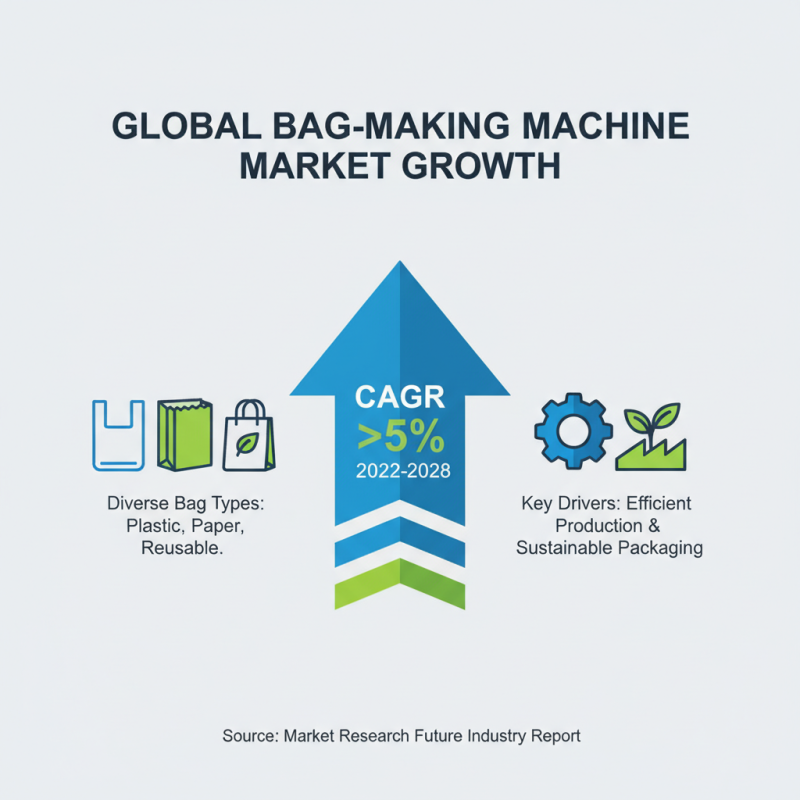
A making bags machine is a specialized piece of equipment designed for producing bags in various shapes and sizes. These machines can create plastic, paper, and reusable bags, catering to diverse market needs. According to a recent industry report by Market Research Future, the global bag-making machine market is projected to witness a CAGR of over 5% from 2022 to 2028. This growth reflects a rising demand for sustainable packaging solutions and the need for efficient production processes.
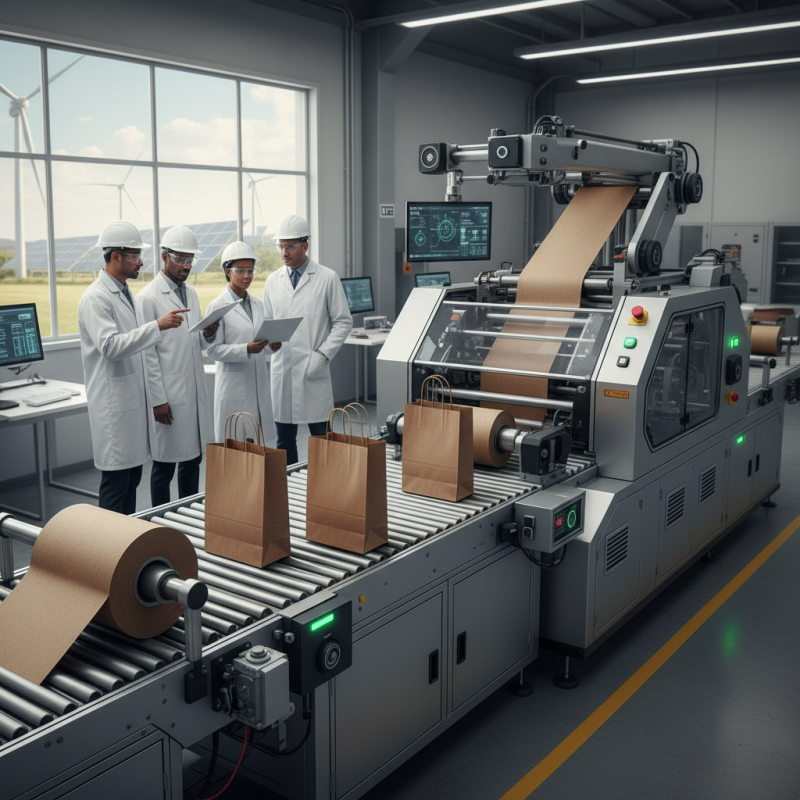
The working principle of a making bags machine involves several steps. It typically starts with feeding raw materials into the system. The machine then assembles the bags through a series of cutting, sealing, and folding operations. For example, a plastic bag-making machine may employ heat sealing to bond edges. However, challenges persist in achieving precision and optimizing material usage. In some cases, production rates may fall short, leading to increased waste and costs.
Furthermore, advancements in technology play a crucial role in enhancing efficiency. Many modern machines are equipped with automation features that streamline operations, yet not every facility can invest in such innovations. A balance between cost and technology remains essential. As manufacturers strive for higher productivity, they must also consider environmental implications. The bag-making industry faces scrutiny over waste and sustainability practices, urging a shift in focus toward eco-friendly solutions.
Types of Making Bags Machines: An Overview
Making bags machines vary widely in type and function. They are designed to produce bags for various uses. Some machines focus on creating plastic bags, while others specialize in paper or fabric bags. Each type has its unique features and advantages. For example, plastic bag machines often use a process called blow molding, while paper bag machines frequently employ die-cutting techniques.
The performance of these machines can greatly differ based on their design. Many machines offer automated features, enhancing production speed. However, these advances also introduce complexity. Operators need training to handle advanced settings. Simple machines may be easier but produce a lower volume.
In the end, the choice of machine depends on specific needs. Durability, speed, and type of bag desired are key factors. Some operators find it challenging to balance these elements. They may opt for costly machines without fully understanding their limitations. Such decisions can lead to inefficiencies. A thorough evaluation of both needs and machine capabilities can prevent unnecessary expenses.
Key Components of a Making Bags Machine
A making bags machine is a specialized device designed to produce various types of bags efficiently. The key components of this machine play a vital role in its operation. One essential part is the feeding system, which ensures that the raw material, often plastic film, is continuously supplied. Proper feeding guarantees a smooth production process but can sometimes jam, requiring adjustments.
Another crucial component is the sealing mechanism. It is responsible for joining the bag edges together. Typically, this section uses heat or adhesive methods. An effective sealing process creates durable bags, but inconsistencies may arise, impacting the final product's strength. Operators must monitor this closely.
The machine also includes a cutting system, which defines the bag dimensions. This part must be precise, yet variations can occur due to material thickness or machine calibration. Errors here lead to wasted materials, forcing operators to be vigilant. Lastly, an intuitive control panel helps workers to monitor and adjust settings. Despite its complexity, this technology often requires significant user feedback for optimal performance.
How a Making Bags Machine Operates Step by Step
A making bags machine is designed to produce various types of bags efficiently. Understanding how it operates can enhance your projects. The process begins with feeding raw materials into the machine. These materials can be paper, plastic, or fabric.
Next, the machine cuts these materials into desired shapes. This step is crucial. It must be precise. Inaccurate cuts lead to wasted resources. After cutting, the machine folds the material. Folding often involves heat sealing or stitching, depending on the bag type. This step creates the bag's structure.
Tips: Always maintain the machine. Regular maintenance prevents breakdowns. Check the cutting blades often. Dull blades cause uneven cuts, impacting quality.
Finishing touches are essential. The machine might print designs on the bags. This adds value to the final product. Finally, bags are stacked for packaging. Throughout this process, attention to detail matters. Mistakes can occur. Each step requires care and precision. Reflect on these aspects to improve efficiency.
Applications of Making Bags Machines in Various Industries
Making bags machines play a crucial role in various industries. They are used to produce bags for packaging, storage, and distribution. In the retail sector, these machines create durable shopping bags that hold weight and resist tearing. They enhance the customer experience by providing a reliable way to carry purchases.
In the food industry, making bags machines are essential for packaging. They produce food-safe bags that keep products fresh. These bags are customized to fit various food items, from snacks to frozen goods. The precision in bag-making affects product quality. It’s important to regularly maintain and check these machines to avoid flaws in production.
Moreover, the pharmaceutical and chemical sectors rely on these machines too. They create specialized bags that meet safety standards. However, there are challenges in ensuring bags are both functional and compliant. Occasionally, machine errors can lead to waste. Improving production processes is necessary to minimize these issues and enhance efficiency in bag-making.
Advantages of Using a Making Bags Machine
Using a making bags machine offers various benefits for businesses focused on packaging. These machines increase production efficiency. They can produce bags quickly and consistently. This speed allows manufacturers to meet high demand with ease. Unlike manual methods, automation reduces human error. Precise measurements lead to better quality products.
The versatility of these machines cannot be overlooked. They can create different types of bags, from shopping to trash bags. Adjusting settings for size and thickness is usually straightforward. However, not all machines perform equally well. Some may require more maintenance than anticipated. It’s essential to choose the right machine for specific needs.
Another advantage is the cost savings over time. Despite initial investment, the long-term benefits often outweigh the costs. With a steady output, businesses can reduce labor costs. Yet, there is a skill gap. Staff need proper training to run these machines efficiently. Without adequate training, mistakes may happen, leading to waste. Balancing efficiency with proper handling is crucial for success.
Maintenance and Troubleshooting for Making Bags Machines
Maintaining a making bags machine is crucial for optimal performance. Regular inspection of parts helps prevent issues. Check the blades and ensure they are sharp. Dull blades can lead to uneven cuts and material wastage. Lubrication is also essential. Apply oil to moving parts to avoid friction. This simple step can extend the machine's lifespan.
Troubleshooting is a skill that comes with experience. If the machine jams, inspect the material feed. Sometimes, debris can block the pathway. Take time to clear any obstructions. If the machine produces inconsistent seams, the tension might be too loose. Adjusting the thread tension can solve this problem. Regular training for operators can help them spot issues before they escalate.
Remember to maintain cleanliness around the machine. Dust and scraps can gather and disrupt operations. A clean workspace fosters efficiency. Yet, it’s easy to overlook these details during busy periods. Learning from these oversights helps improve future operations. Awareness of these factors will lead to better productivity over time.
Production Efficiency of Making Bags Machines
This bar chart illustrates the production efficiency of various making bags machines, indicating the number of bags produced per hour by each machine. Machine B shows the highest output, while Machine E has the lowest production rate among the selected machines.
Enhancing Production Efficiency: Insights from the 2022 Global Packaging Machinery Market Report on the ZB160 Fully Automatic Paper Bag Knotting and Threading Machine
The 2022 Global Packaging Machinery Market Report highlights the increasing demand for automated solutions in the packaging industry, driven by the need for enhanced production efficiency and cost-effectiveness. One standout innovation from this report is the Fully Automatic Paper Bag Knotting and Threading Machine, which is increasingly becoming a pivotal asset for manufacturers. This machine not only automates the knotting and threading processes but also offers flexible options, allowing for the pasting of flat ribbons or round ropes. This versatility caters to diverse packaging needs, enabling businesses to adapt quickly to changing market demands.
According to the report, the global packaging machinery market is projected to reach a valuation of over $50 billion by 2026, indicating a compound annual growth rate (CAGR) of around 4.5%. Within this landscape, automation technologies like the Fully Automatic Paper Bag Knotting and Threading Machine are vital for optimizing production lines. These machines significantly reduce manual labor costs and enhance speed and precision, essentials for meeting the growing consumer demand for sustainable packaging solutions.
Furthermore, the integration of such advanced machinery supports manufacturers in maintaining a competitive edge. The report cites that companies investing in automated packaging solutions have experienced a 30% increase in overall efficiency and a notable decrease in production downtime. By leveraging innovations in machinery, manufacturers can not only enhance their operational performance but also contribute to a more sustainable future by minimizing waste and energy consumption in the production process.
FAQS
: The article aims to inform readers about key concepts and ideas.
The content targets individuals interested in gaining deeper insights.
Updates occur periodically but may not cover every recent event.
Yes, anyone can apply the concepts, but results may vary.
Many people misunderstand the complexity of certain ideas and their applications.
Basic knowledge may help, but it's not mandatory.
Yes, but beginners might need extra time to grasp everything.
Readers can explore additional resources or forums for deeper discussion.
Some concepts may be difficult to implement without practice.
Journaling thoughts and discussing with peers can promote understanding.
Conclusion
A Making Bags Machine is a specialized device designed to produce bags in various sizes and styles efficiently. This machine is pivotal in the packaging industry, with different types available to cater to specific needs, from simple plastic bags to more complex multi-layered constructions. Key components include feeders, sealers, and cutting mechanisms, which work in harmony to streamline production.
The operation of a Making Bags Machine follows a systematic step-by-step process, ensuring precision and speed. Its applications span numerous industries, including retail, agriculture, and food services, showcasing the versatility of this machinery. The advantages of utilizing a Making Bags Machine include increased production efficiency, cost-effectiveness, and the ability to customize products to suit market demands. Regular maintenance and troubleshooting are essential to keep the machine running smoothly, ensuring consistent quality and minimizing downtime in production.