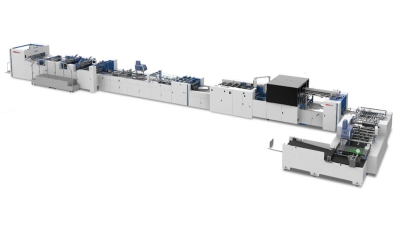
In today’s fast-moving manufacturing world, boosting efficiency in your production lines is more important than ever—especially in the paper bag industry. The Sheet Feeding Paper Bag Making Machine has really become a game-changer, helping companies ramp up productivity and keep up with the rising demand for eco-friendly packaging. I’ve seen industry reports that say the global market for paper bags could hit around USD 4.23 billion by 2026—pretty impressive, right? That just shows how crucial it is to have advanced machinery that can make things run smoother. Living in China, Zhejiang Zenbo Intelligent Machinery Co., Ltd., a high-tech firm founded back in 2009, focuses on developing innovative paper bag making machines. They serve clients in over 50 countries and regions around the world. If manufacturers adopt smart strategies when using Sheet Feeding Paper Bag Making Machines, they can not only work more efficiently but also play a part in making packaging more sustainable. It’s really about working smarter and doing our bit for the environment at the same time.
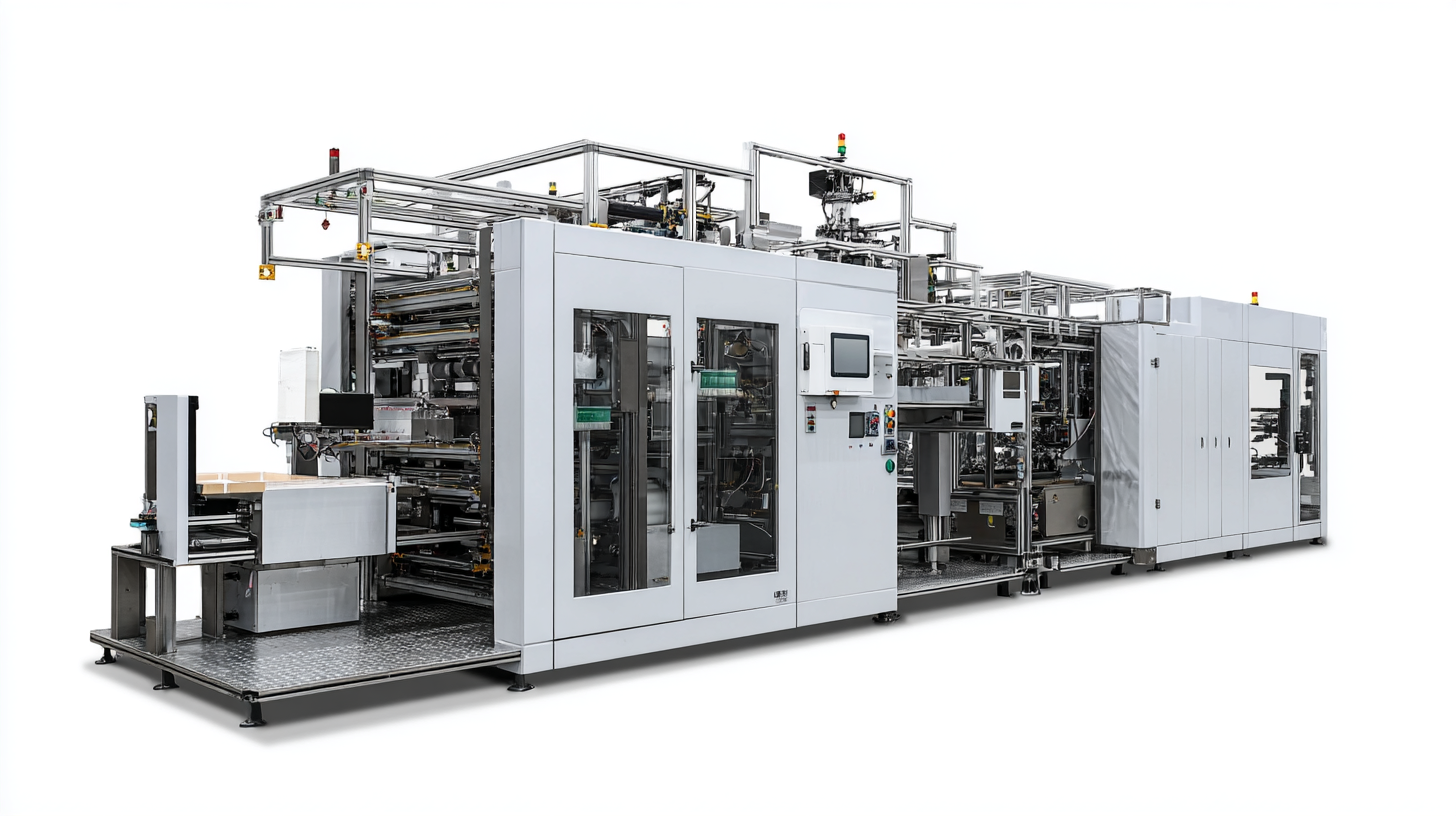
Understanding the Importance of Sheet Feeding in Paper Bag Production
When it comes to making paper bags, the sheet feeding process is pretty much the backbone of keeping things running smoothly and maintaining good quality. Honestly, understanding how sheets get fed into the machines can make a big difference—not just in how fast you can produce but also in how much material you waste. When the sheet feeding is on point, each sheet lines up just right and flows consistently through the system. That means fewer jams and errors, which helps avoid those frustrating—and costly—downtimes.
Plus, modern technology in sheet feeding can really boost precision during cutting and folding. Good feeding systems are versatile enough to handle different paper sizes and weights, which is super handy since production needs can vary a lot. Investing in reliable sheet feeding setups isn’t just about getting things done faster; it’s about making the whole process more efficient, which ultimately helps you deliver a better product to your customers. Paying attention to this stage might seem small, but it actually helps optimize production and keeps the whole paper bag making operation sustainable in the long run.
Key Benefits of Efficient Sheet Feeding for Paper Bag Making Machines
Getting the sheet feeding just right is a pretty big deal when it comes to making paper bags. It’s one of those behind-the-scenes things that can really make or break your productivity and costs. Did you know that, according to Smithers Pira, the worldwide market for paper bags could hit around $4.85 billion by 2024? That’s mainly because folks are becoming more eco-conscious and are looking to ditch plastics. So, if you're a manufacturer and you up your game with better, optimized sheet feeding systems, you’re probably gonna see a boost in your output and also cut down on waste. That puts you in a stronger spot in this pretty competitive market. When you reduce the dawdling caused by downtime and make sure everything lines up perfectly during feeding, you get a steady flow of production. This way, you can meet all that rising demand without sacrificing quality — which is pretty much the goal, right?
And there's more good news. A study from the Paper and Paperboard Packaging Environmental Council (PPEC) shows that using efficient sheet feeding can cut down material waste by as much as 20%. That’s a big deal for those looking to save some bucks and stay eco-friendly at the same time. Plus, a good sheet feeder can cut down on manual work, which means fewer mistakes and a safer environment for workers. As the industry keeps leaning towards automation and smarter tech, investing in high-quality sheet feeding machinery really is a smart move if you wanna stay ahead and keep up with the green trends out there.
Optimizing Workflow: Streamlining the Sheet Feeding Process
In today’s super competitive market, making sure your workflow for sheet feeding is smooth and efficient is pretty much essential if you want your paper bag business to really succeed. By adopting some smart upgrades, manufacturers can see big improvements in both productivity and efficiency. For example, bringing AI-based solutions into the prep stages of production can really help streamline things—cutting down on waste and ramping up output at the same time. As more companies jump on the tech bandwagon, it becomes crucial to analyze and tweak every part of the manufacturing process to stay ahead of the game.
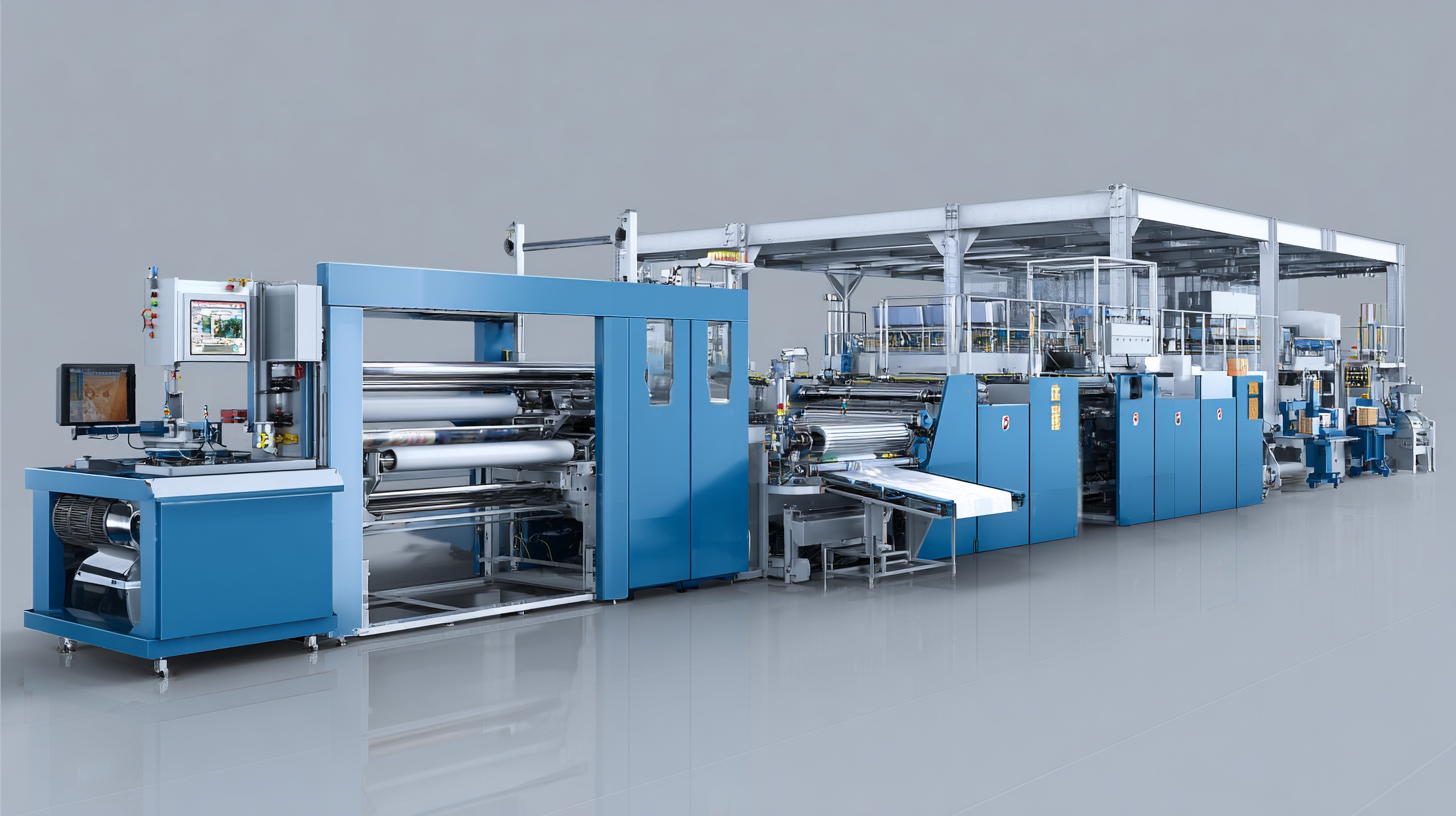
At Zhejiang Zenbo Intelligent Machinery Co., Ltd., we’ve put a lot of effort into independent R&D, which has led to some pretty exciting innovations in sheet feeding for paper bag production. Our machines now come with smart features that help align everything better and run faster, which means less downtime and more output. Whether it’s handling different sheet sizes or adding automation, these moves are vital to keep up with the changing demands of the market. Combining cutting-edge machinery with clever operational strategies doesn’t just boost efficiency; it also opens up new opportunities for manufacturers to grow and compete on the global stage.
Maintenance Tips for Enhanced Sheet Feeding Performance
When it comes to making paper bags with sheet feeders, maintenance is honestly a game-changer. Keeping the machinery in top shape doesn’t just make everything run smoother, it also helps the equipment last way longer. Having a regular maintenance routine means you can catch potential problems early on—before they turn into big headaches. That way, you can fix stuff in time and keep production ticking without unnecessary hiccups.
Good maintenance isn’t just about quick fixes. It’s about doing things like cleaning the feeding parts thoroughly, checking for signs of wear and tear, and making sure everything’s well-lubricated. Honestly, paying attention to these little details can really boost how well the machines feed the sheets and keep things running smoothly. Plus, training your operators on the right practices goes a long way—less mistakes, more productivity, and fewer surprises.
If you look at other industries, like cattle feeding solutions, they’ve learned that customized maintenance plans make a huge difference. Just like livestock need specific nutrition for healthy growth, our machines perform best when we give them targeted, proactive care. Putting this kind of focus on maintenance isn’t just smart—it’s essential for making your business more efficient and successful over the long run.
Innovative Technologies for Improving Sheet Feeding Efficiency
In today's fast-moving world of manufacturing, getting your sheet feeding in paper bag machines just right is more important than ever. Thankfully, new tech is really helping streamline things—making everything smoother and boosting productivity. Automation, in particular, has become a real game-changer. Modern feeding systems can now automatically adjust to different sheet sizes and weights, which means fewer jams and fewer headaches overall.
Here's a tip: consider investing in a good-quality paper sensor. It can detect the paper’s properties and tweak the feeding speed accordingly. Honestly, this little upgrade can make a big difference in getting precise results and cutting down on waste.
And don’t forget about smart software! These systems can analyze data in real-time, giving operators a clear picture of what's happening on the shop floor. This helps in making quick, informed decisions. It’s a smart way to boost efficiency and better manage resources.
Another tip—look into predictive maintenance tools that use data analytics. They can spot potential machine hiccups before they become serious issues, reducing downtime and keeping production running smoothly. By adopting these strategies, you’ll significantly improve your sheet feeding process and overall productivity in paper bag manufacturing.
Maximizing Efficiency: Sheet Feeding Efficiency Over Time
Evaluating the Cost-Benefit Analysis of Sheet Feeding Solutions
When it comes to competing in the world of packaging manufacturing, investing in sheet feeding paper bag making machines isn’t just about throwing money into something—you really gotta weigh the pros and cons. Adding a sheet feeding setup can definitely boost your production, but you have to carefully consider whether the costs are worth the potential gains. Things like the machine’s purchase price, ongoing maintenance, and how efficiently it uses materials all matter a lot when you're trying to figure out if this investment pays off in the long run.
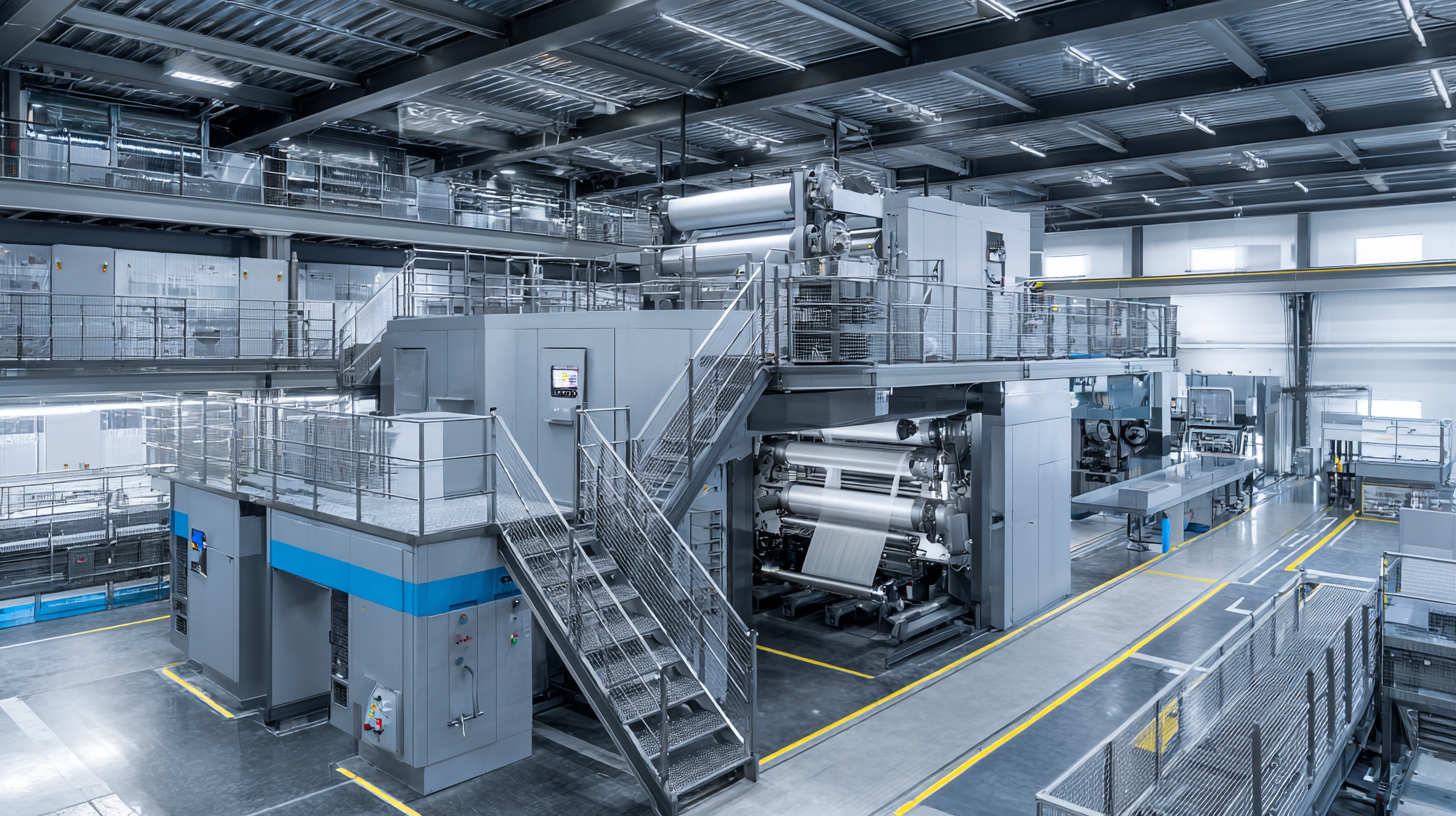
Getting into this kind of tech can really smooth out your operations. It cuts down on manual work and waste, which is a big plus. Plus, automation means you can produce bags faster and with more precision, all while meeting different clients' specs. When manufacturers are looking at their options, it’s super important to think about the long-term benefits, like saving on labor costs and ramping up production speed. To really get the most out of adopting sheet feeding tech, companies should do a solid cost analysis that lines up with their goals. That way, they can make sure this move not only makes their operations more efficient but also makes financial sense after a while.
Unlocking Efficiency: How the E260/E180 Fully Automatic Paper Bag Making Machine Meets Growing Market Demands in 2023
In 2023, the demand for efficient and versatile packaging solutions continues to grow, driven by trends in eco-friendliness and convenience. The E260/E180 Fully Automatic Paper Bag Making Machine has emerged as a key player in this evolving market, offering features that significantly enhance production efficiency. One of the standout innovations is its one-touch memory size switching function, which allows operators to adjust the machine for different bag sizes in just 90 minutes. This capability reduces downtime, ensuring that manufacturers can meet fluctuating market demands without sacrificing productivity.
According to a recent industry report by Smithers Pira, the global demand for paper bags is projected to reach approximately 8.6 million metric tons by 2025, reflecting a growing preference for sustainable packaging options. This shift highlights the need for machinery that can quickly and efficiently produce a variety of bag styles. The E260/E180 machine is designed to accommodate an array of options, including square bottom, split bottom, and bottom card bags, making it a flexible solution for companies looking to diversify their product offerings.
The efficiency gains from the E260/E180 model align well with industry trends emphasizing agility and responsiveness in manufacturing. As businesses strive to keep up with consumer preferences for both sustainability and versatility, investing in advanced technology like that of the E260/E180 becomes imperative. By leveraging such innovations, manufacturers can not only enhance their production capabilities but also position themselves strategically in a competitive market.
FAQS
: Sheet feeding is critical in paper bag production as it ensures efficiency and quality by aligning sheets correctly and reducing the chances of jams and errors, which can lead to costly downtimes.
Advanced technologies in sheet feeding mechanisms enhance precision in cutting and folding, accommodating various paper sizes and weights which improves production workflows.
Effective maintenance includes thorough cleaning of feeding mechanisms, checking for wear and tear, ensuring proper lubrication, and training operators on best practices to reduce operational mishaps.
A consistent maintenance schedule helps identify potential issues early, allows for timely interventions, and ensures seamless operation and extended lifespan of the equipment.
Companies must weigh the costs of machine purchase, maintenance, and material efficiency against the expected gains in enhanced production efficiency to determine if the investment is worthwhile.
Long-term benefits include savings on labor costs, improved production rates, and a decrease in manual handling and waste, contributing to a more economically viable operation.
Yes, optimized sheet feeding not only streamlines production processes but also reduces material waste, which enhances the long-term sustainability of paper bag manufacturing.
Training operators on best maintenance practices and operational procedures can significantly improve productivity and reduce the risk of mishaps during the sheet feeding process.
Conclusion
When it comes to making paper bags, the Sheet Feeding Paper Bag Making Machine really plays a crucial role in ensuring you get quality output and keep things running smoothly. Honestly, understanding how important sheet feeding is can’t be overstated because it directly affects how productive the whole manufacturing process is. By focusing on this step—reducing waste and increasing speed—you can see some pretty significant improvements in your workflow. And don’t forget, regular maintenance like checking your machine and making proper adjustments can make a big difference in performance. Plus, with new tech constantly coming out, there’s plenty of room for even better feeding efficiency down the line.
Take Zhejiang Zenbo Intelligent Machinery Co., Ltd., for example. Since 2009, they’ve been leading the charge with top-notch paper bag making machines. As a high-tech company committed to research and innovation, Zenbo makes sure their products are up to the highest standards. They've actually exported to over 50 countries, which just goes to show how much they’re trusted worldwide. All in all, Zenbo really stands out in helping businesses boost their sheet feeding process and get the most out of their production line.