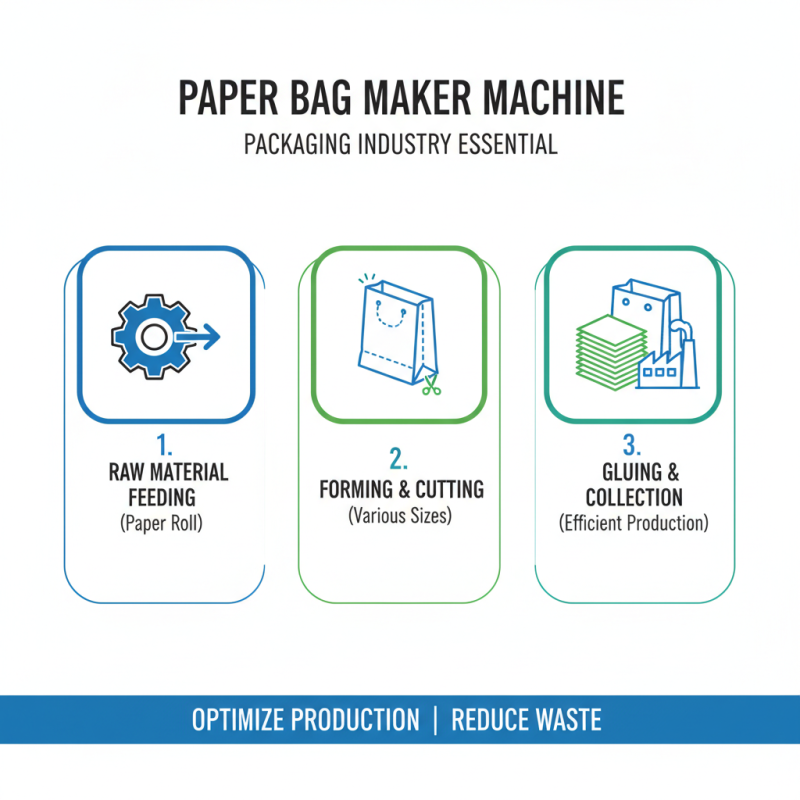
Nowadays, there's a big push toward eco-friendly packaging, and the Paper Bag Maker Machine is really at the heart of this shift. It's designed to efficiently produce paper bags on a large scale, and these machines can handle different sizes and styles, making them super versatile. A lot of businesses are jumping on this technology because it's a sustainable solution that makes sense.
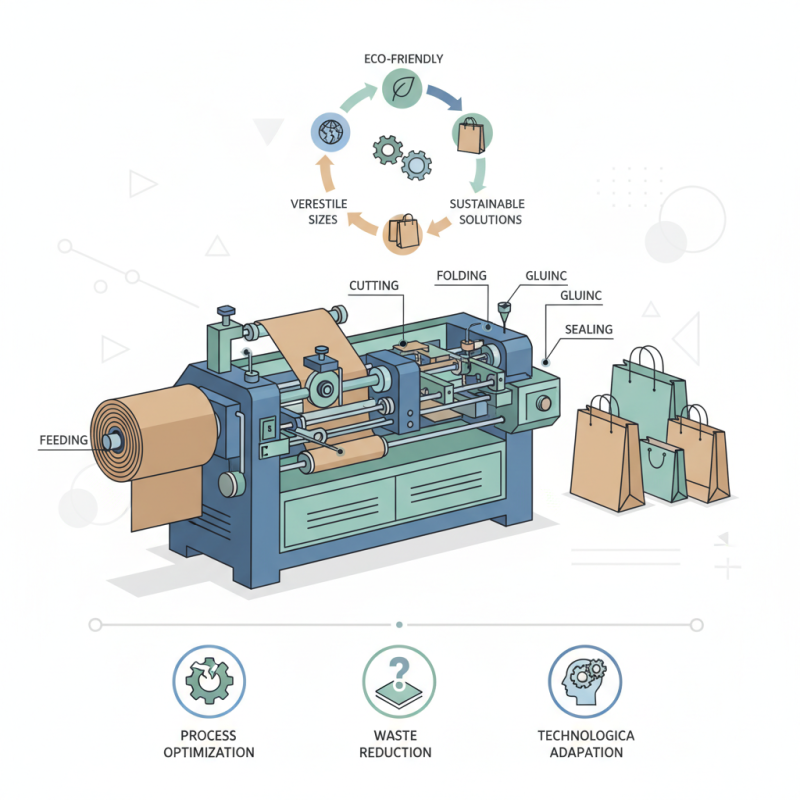
Honestly, the way a Paper Bag Maker Machine works is pretty fascinating. It involves a series of steps—feeding, cutting, folding, gluing—all of which need to be spot on. If one part isn’t quite right, it can affect the whole thing and lead to wasted material. Many operators are still figuring out how to optimize these processes, and yeah, mistakes happen—like misfeeding or inaccurate cutting, which can be a pain. But that’s all part of the learning curve.
Thinking about investing in a Paper Bag Maker Machine can feel a bit overwhelming at first. Companies really need to take a close look at what they actually need—balancing how much they plan to produce with what it costs. Sometimes, folks overestimate their capacity and end up with more machine than they need. Other times, they might find it tricky to get used to the new tech. But these challenges are just part of growing and improving in this industry, you know?
What is a Paper Bag Maker Machine?
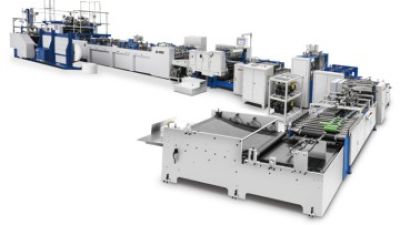
A paper bag maker machine is a mechanical device designed to produce paper bags in various sizes and styles. Unlike traditional methods, these machines automate the process, leading to higher efficiency and consistent quality. Reports from the Paper and Paperboard Packaging Environmental Council indicate that paper bags are increasingly popular. The global demand for paper bags is projected to rise at a compound annual growth rate (CAGR) of about 4.3% from 2021 to 2028.
These machines often work by feeding rolls of paper into a series of mechanisms. They cut, fold, and glue the paper into the desired shape. Some machines can produce up to 120 bags per minute. This speed helps meet the growing consumer demand, especially with the rise in eco-friendly practices. However, the efficiency of these machines can vary significantly based on the paper type and thickness. Not all paper bags produced are perfect; inconsistencies may occur in size and strength.
Modern paper bag makers emphasize sustainability. The industry is moving towards using recyclable materials. Nonetheless, challenges remain. Some machines still struggle with specific types of biodegradable papers. Additionally, the cost of maintenance can be high, affecting small businesses. As manufacturers address these issues, the equilibrium between efficiency and sustainability will become crucial in the paper bag production landscape.
History and Evolution of Paper Bag Making Machines
The history of paper bag making machines is both fascinating and complex. Initially, paper bags were crafted by hand, using simple tools. In the late 19th century, innovators began to experiment with machine technology. The first automatic paper bag machine was invented in 1871. It changed how bags were produced. Mass production of paper bags began soon after.
Over the decades, the design of these machines evolved. Improvements were made in speed and efficiency. By the 1950s, paper bag machines were widely used in manufacturing. They became essential for packaging. As awareness grew around environmental issues, demand for paper bags increased. Many were looking for sustainable alternatives.
Tips: For those considering a Paper Bag Machine Maker, assess your production needs. Look for machines that offer flexibility in size and design. Ensure regular maintenance to maximize the machine's lifespan. Remember, not all machines are created equal; research is key.
Key Components of a Paper Bag Maker Machine
A paper bag maker machine is an essential tool in the packaging industry. To produce quality bags, several key components work together. The first major part is the paper feeding system. This ensures a consistent flow of raw materials, typically made from recycled paper. If the paper is not fed correctly, it may lead to jams or uneven bags.
Another crucial component is the forming section. Here, the flat paper is folded and shaped into a bag. This requires precise mechanisms to create accurate folds. Misalignments can result in bags that are either too small or misshaped. Next, the sealing system applies adhesive to secure bag edges. If the adhesive is uneven, the bags may come apart during use.
The machine also contains a control panel. Operators adjust settings like speed and size for different bag types. However, these adjustments can sometimes be complex and require experience. Improper settings may affect production efficiency or bag quality. A recycled paper bag maker machine integrates all these components, ensuring an efficient production process while facing challenges that need careful monitoring.
How a Paper Bag Maker Machine Operates: Step-by-Step Process
A paper bag maker machine is an essential tool in packaging industries. It efficiently produces paper bags of various sizes. Understanding its operation is key to maximizing production.
The process begins with feeding paper rolls into the machine. The machine unwinds the paper and cuts it into specific lengths. Then, it shapes the paper, folding it to form the bag structure. A series of rollers and presses help create strong seams. After forming, the bags are cut from the sheet and stacked for easy handling.
**Tip:** Regularly check the paper feed. A slight misalignment can lead to production delays.
Next, the machine often adds handles. This step can be automated with additional tools. The bags then undergo a quality check. It’s crucial to catch any defects early in the process. This helps maintain high standards.
**Tip:** Implementing a quick quality check can save time. Train staff to spot issues before bags are packed.
While the machine enhances productivity, maintenance is vital. Failure to clean and lubricate can lead to jams. A well-maintained machine ensures consistent output. Operators should stick to a regular service schedule to prevent unexpected downtimes.
Types of Paper Bag Maker Machines and Their Applications
Paper bag maker machines come in various types, each designed for specific needs. These machines can produce different styles of bags, such as flat or satchel bags. The choice of a machine largely depends on the type of paper used and production capacity. Some models can handle recycled materials, contributing to sustainability efforts.
For businesses looking to invest, consider the operational efficiency of the China Paper Bag Maker Machine. It often provides cost-effective solutions. However, you might face challenges with maintenance. Regular checks are essential to avoid production halts. Neglecting this may lead to unexpected downtimes.
In terms of applications, paper bags are prevalent in retail, food, and packaging industries. Many retailers now prefer paper bags over plastic for environmental reasons. Yet, some still question the durability of paper. It’s worth experimenting with different paper weights to find the right balance. Each material offers unique characteristics that impact the final product's strength.
Types of Paper Bag Maker Machines and Their Applications
Advantages of Using Paper Bag Maker Machines in Manufacturing
Paper bag maker machines have gained popularity for their efficiency in creating eco-friendly packaging solutions. These machines automate the production process, allowing manufacturers to produce bags quickly and with uniform quality. The ability to control the dimensions and designs of bags offers versatility that is hard to achieve manually. However, there are instances where machines may generate waste or defective bags, which can be frustrating. Continuous improvements in the machinery design are essential to minimize these issues.
One of the most significant advantages of using a High-Quality Paper Bag Maker Machine is the reduction in labor costs. With automation, fewer workers are needed on the production floor. This transition can allow companies to redirect staff to more engaging roles. Moreover, paper bags produced are often more durable than their plastic counterparts. They are biodegradable and thus align with environmental sustainability efforts. However, adopting such machines can be a significant investment. Companies must assess if they are ready for this shift and ensure proper training for their workforce.
Additionally, using paper bag maker machines can enhance brand identity. Custom designs can be printed directly onto the bags, making them effective marketing tools. Yet, the investment requires thoughtful consideration of the target market's preferences. The risk of market changes impacting demand shouldn't be ignored. Manufacturers need to stay flexible and adaptive to remain relevant in a competitive landscape.
Transforming the Bag Making Industry: The ZB 1450S-550S and ZB 1260S-450S Fully Automatic Paper Bag Making Machines
The bag making industry is undergoing a significant transformation, driven by advancements in automation and efficiency. The introduction of fully automatic paper bag making machines, such as the ZB 1450S-550S and ZB 1260S-450S, represents a pivotal shift towards increased productivity and reduced operational costs. These machines are designed for single-sheet production and integrate advanced features such as full servo hand slitting, which significantly reduces material waste and enhances production capabilities.
One of the standout benefits of these machines is the ability to produce a variety of bag styles through customizable options for hand ropes, including both round and flat shapes. This adaptability not only expands the product range for manufacturers but also contributes to cost savings, with up to 8 kilograms of materials saved per day compared to traditional methods. Furthermore, through automated processes for folding and applying adhesive to bag openings, these machines improve operational stability and boost production speeds by over 20%.
According to industry reports, the demand for paper bags is projected to rise sharply, driven by increasing environmental awareness and a shift away from plastic packaging. The global paper bag market is expected to reach a significant valuation in the coming years, underscoring the need for efficient manufacturing solutions that can keep pace with growing consumer preferences. By investing in fully automatic machines like the ZB 1450S-550S and ZB 1260S-450S, manufacturers can position themselves as leaders in this evolving market landscape.
FAQS
: It aims to provide insights and guidance on a specific topic.
The audience consists of individuals seeking knowledge or solutions.
The information is based on research but may need further validation.
You can implement them in your daily activities or projects.
It’s okay to struggle; reassess and try different approaches.
Yes, overlooking details and rushing decisions can lead to mistakes.
Regularly reviewing it can enhance understanding and retention.
Absolutely, personal experiences may shape how you apply the guidance.
It’s healthy to question; reflect on why you feel that way.
Sharing can encourage discussion and expand perspectives.
Conclusion
A Paper Bag Maker Machine is a specialized device designed to manufacture paper bags efficiently and in large quantities. The evolution of these machines has seen significant advancements, allowing for a more streamlined production process. Key components of a Paper Bag Maker Machine include feeding mechanisms, cutting tools, and sealing equipment, all of which work together to create durable and eco-friendly paper bags.
The operation of a Paper Bag Maker Machine can be broken down into a step-by-step process involving feeding the paper roll, cutting it to the desired size, and then forming, folding, and sealing the bags. Various types of these machines cater to different applications, ranging from simple grocery bags to more complex designs. The use of Paper Bag Maker Machines in manufacturing offers numerous advantages, including increased efficiency, reduced labor costs, and a sustainable alternative to plastic packaging, contributing significantly to the green movement.