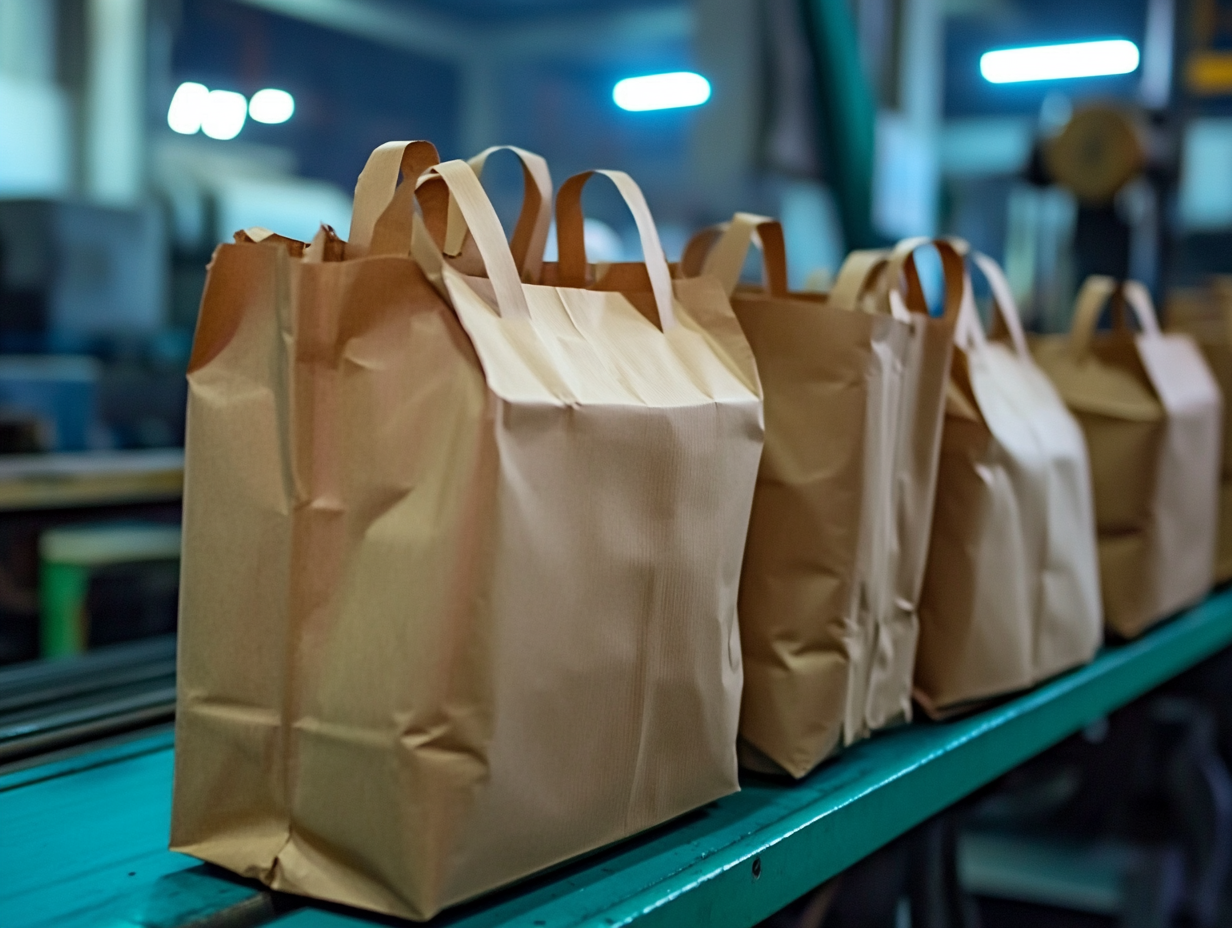
In the continuously changing world of packaging solutions, the production processes have become more efficient and sustainable. Paper Bag Line is an innovation which keeps pace with the increasing demand for affordable eco-friendly packaging alternatives but enhances manufacturing productivity. Besides, the knowledge of the technicalities involved in the production of paper bags is essential among manufacturers in streamlining their operations. This guide, therefore, aims at giving a complete description of the whole paper bag production process, segmented into manageable steps to ease the implementation process and increase operational efficiency.
At Zhejiang Zhengbo Intelligent Machinery Co., Ltd., we have decided to bring up up-to-date innovations of automated production solutions. Our extensive knowledge about the paper bags line is based on the in-depth cognizance of the industry and technology advancements. This enables businesses to uplift best practices in order to improve their manufacturing capabilities besides making the world greener by digging technicalities in paper bag production. As we travel down the step-by-step process of Paper Bags Line, keep on reading so that you have the know-how to flourish in this ever-changing sector.
Overview of Paper Bags Line Production
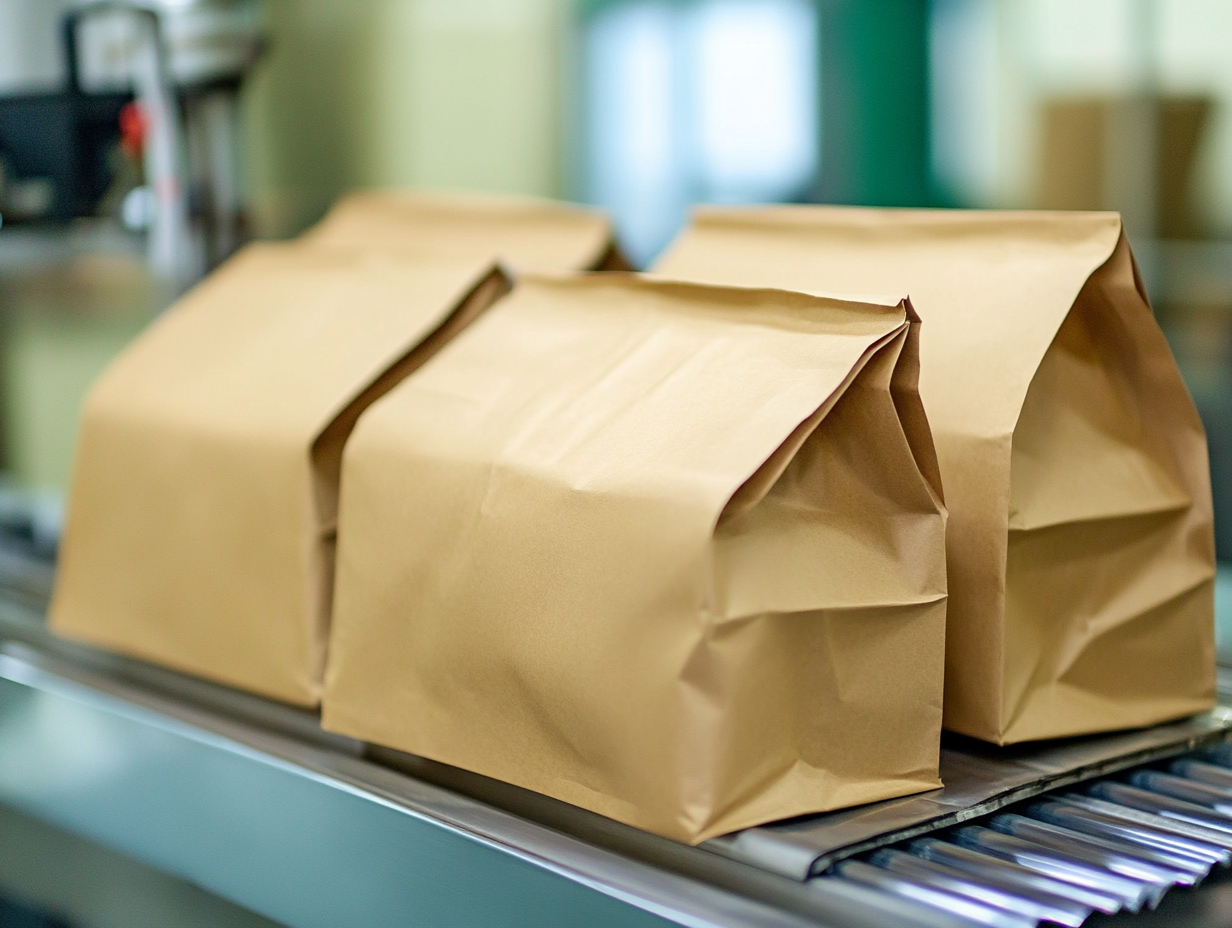
Paper bags are produced through an efficient manufacturing process consisting of several key components. The pulp preparation, in which the raw materials are processed, is the foremost stage. Wood pulp, recycled paper, and alternative fibers like bamboo can be used in this preparation stage, which imparts proper consistency and quality into the paper for actual bag-making. Then, during the paper-making operation, the prepared pulp is turned into sheets using sophisticated machinery. The sheets are then cut, printed, and folded into bags. These quality control measures, such as mechanical tests, are quite important at this stage to determine whether the performance of bags remains within acceptable limits. One of the considerations is that when manufacturers learn more about these components, they are able to better optimize their processes, which in turn create synergy with growing sustainable trends as the world faces a greater push towards the reduction of single-use plastics.
Key Components of a Paper Bags Manufacturing Line
The paper bag production process is gaining increased emphasis as a part of the global trend toward sustainable packaging solutions. Because of the increasing number of regulations aimed at curbing single-use plastics, the paper bags line production has become the survival kit for industries wishing to beware of the environment. An overview of the paper bags line production describes the various stages, from raw material preparation to the final packaging, with an added emphasis on the efficiency and innovations included during manufacturing processes.
Technological progress has changed the scenario for the pulp-and-paper industry. The innovations like IoT technologies accepted in production processes and portable paper recycling stations increasingly add to the production efficiency and sustainability of these changes. They say waste reduction would also streamline the production line for manufacturers to respond to increased consumer demand for environmentally friendly products. As several communities implement plastic bag bans, such knowledge about paper bag production techniques will help whoever wants to contribute to a cleaner planet.
Step-by-Step Guide to the Production Process
Production of paper bags is rightly told to be on the verge of becoming sustainable, owing to the realization among communities and businesses about the need to minimize plastic wastage. With the rise in regulations, chief among them being bans on plastic bags, the need for eco-friendly alternatives is more pronounced than ever. Paper bags, when made sustainably, includes the responsible sourcing of raw materials, minimization of water and energy consumption, and the recyclability of the final products.
Signs of innovation are now manifesting in the pulp and paper industry to bring in advancements such as the launch of recyclable paper bags for applications such as food service. Sustainability is now of great importance for many businesses, hence the use of methods such as integrating bamboo into production. These will not only help the environment but also answer the demand for sustainable products by consumers. Making sustainability in paper bag production is crucial toward attaining a clean environment conscious of waste.
Raw Materials Used in Paper Bag Production
Paper bags manufacture a lot of problems for production houses. First and foremost one should dwell on the scale of quality control of the materials. Mechanical testing methods like simple tensile tests can be performed and the paper is tested if it stands up to internal requirements regarding strength and durability, since it impedes delay in production and curtails the loss incurred through wastage resulting from bad paper.
Adaptation to new regulatory frameworks, such as the complete ban on disposal plastics and the restrictions on importation, is another challenge, which has further increased the market's interests in alternative sustainable channels like paper bags. These should work with the regulations to be able to do away with the soils by way of making themselves marketable as they conform to environmental standards while avoiding future penalties.
To fruition, clear waste sorting and efficient waste management within the interventions can really impact the overall efficiency of a production line. Building in clear cut instructions on the waste disposal system gets rid of the further complication through which recyclables are dumped in landfills, contributing to improved production efficiency.
Machinery and Equipment Needed for Efficient Production
It is a very important production procedure of the paper bags in terms of reducing the single and widespread use of plastics. Understanding all the steps from this process would not emphasize the technicalities alone but also bring out the true importance of sustainability.
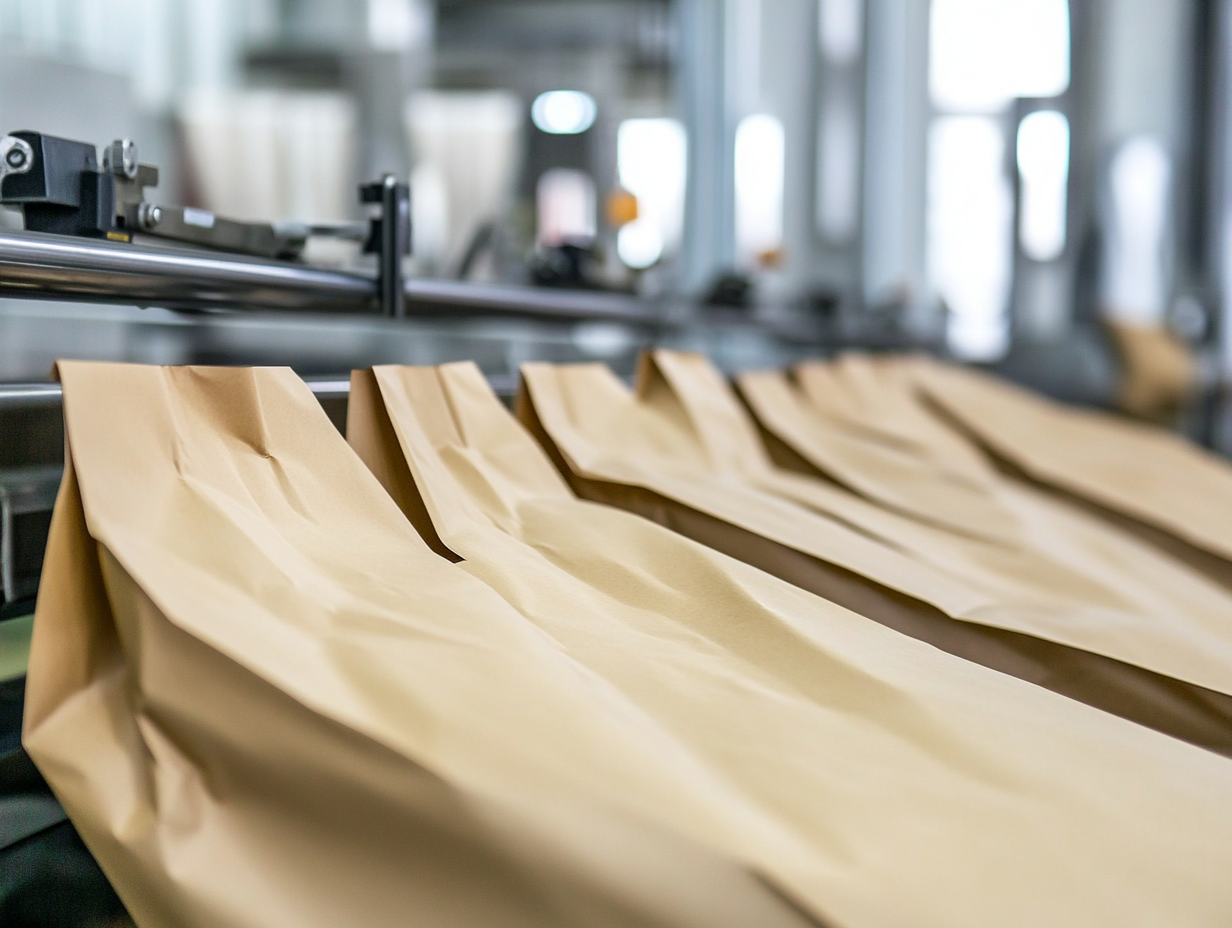
Majorly, raw material (wood pulp) only gets obtained from an external refining process. It forgets those sheets of paper by pulping, pressing, and drying. Ready to assemble the sheets into bag components--next sides get glued or sealed to create a bag and attached with durable handles for numerous use.
With more people inclined towards environmentally sound alternatives, the paper bag-making process becomes a way for manufacturers to meet consumer needs as they make positive strides towards environmental sustainability. Such goings would minimize plastic waste and contribute to a more extensive environmental sustainability effort.
Quality Control Measures in Paper Bag Manufacturing
The paper bag industry is rapidly adjusting to the increasing global focus on sustainability. The more recent developments highlight a greater emphasis on technology advancement for efficiency enhancement at minimal environmental cost. Modern companies are investing in state-of-the-art machinery that strengthens and increases the durability of paper bags as well as improves their recycling methods.
Paper-bag manufacture is resource-intensive, using greater energy and water consumption in its production than plastic alternatives, but this mounting trend towards biodegradable and sustainable materials affords a possibly transformative future. Stronger, reusable paper bags that are then recycled for biofuel are catching on as a potential compromise in this ongoing debate between paper and plastic. As more regulations are tightened around the use of plastics, demand for stronger, environmentally friendly paper packaging solutions will undoubtedly ramp up, encouraging the industry to consider greener options in the actual manufacturing process.
Sustainability Practices in Paper Bag Production
Quality control is the fundamental aspect in paper bags' production, which ensures that the final product fulfills both the respective standards of the industry and expectations of the customer. One of the good ways of qualifying the product would be through mechanical testing such as tensile tests that impose a load on the material to be tested for strength and durability. The tests will allow the identification of any weakness that the paper might have, thereby allowing corrective measures to be undertaken by the manufacturer before mass production of the bags.
Additionally, with the recent trend towards banning plastic bags in many towns around the world and in favor of recyclable alternatives, paper bags manufacturers will remain in line with very strict quality control protocols. Such protocols will not only serve to strengthen the sustainability of their products but also give them a stronghold in a market that gives concentrated consideration to eco-sound solutions. As the demand for paper bags keeps increasing, given the taste of the moment for environmental issues, the application of quality management will be an indispensable component for competing in such an environment.
Common Challenges and Solutions in the Production Line
Most often, production of paper bags utilizes certain raw materials, which are the emphasis of understanding for the people in the industry. The primary ingredient is virgin fiber from sustainably managed forests for strength and eco-friendliness, with increasing use of already recycled paper to reduce environmental impact-together with virgin fiber-to improve quality and sustainability.
These fibres may one, as other additives, starch, and water-resistant coating bring to height in wear and use of paper bags. The materials here fulfill not only the packaging alone but also the customer preference for solutions that are increasingly environmentally friendly. The modernization in the industry focused on optimizing these raw materials to create the delicate balance of performance against sustainability. This would, of course, cascade with the opening trend against greener alternatives.
Future Trends in Paper Bag Manufacturing Technology
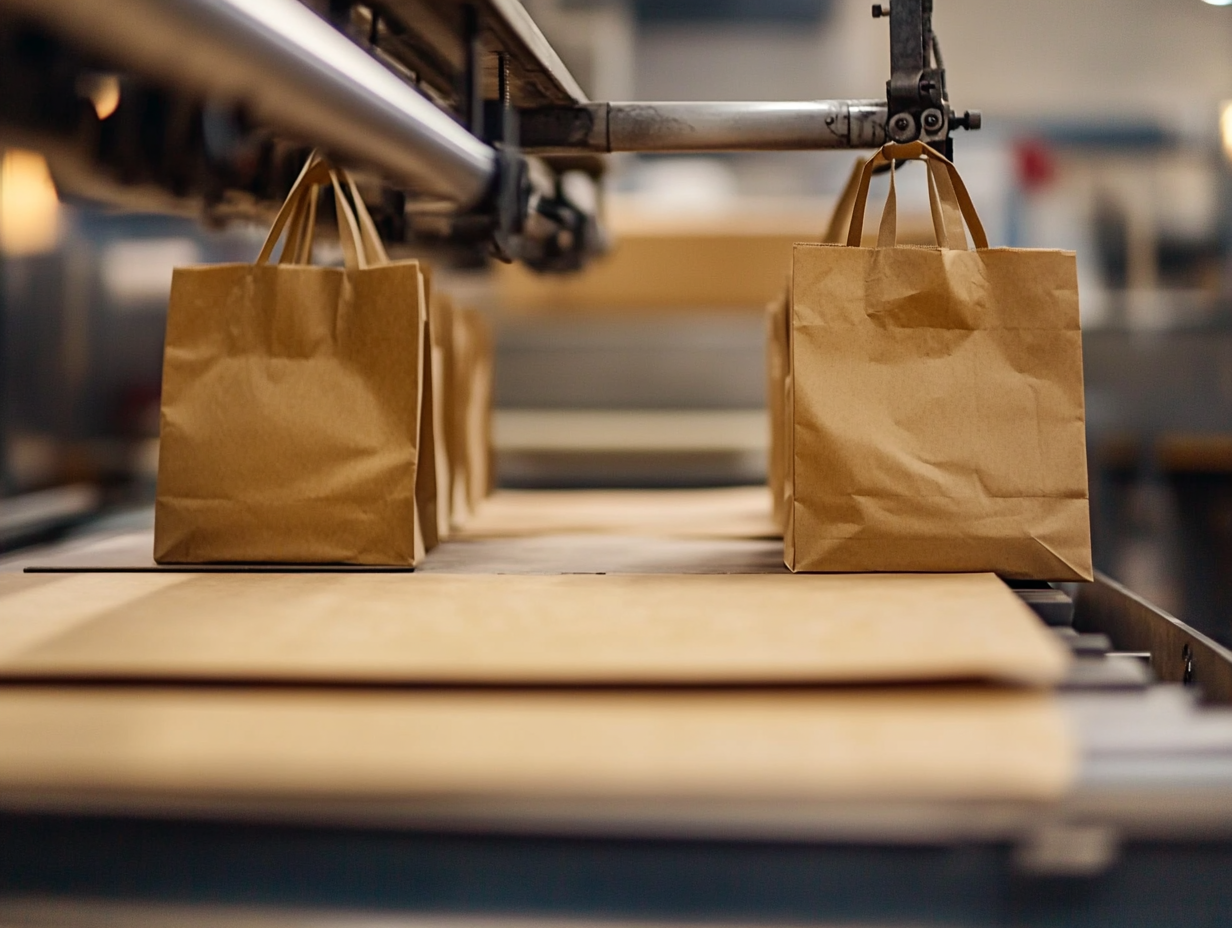
The first factor which determines how well an efficient paper-bag plant will perform is the selection of the right machines and equipment. Key parts include paper roll unwinders, printing units, and Bag Forming Machines, all of which will work together to effectively produce the required capacity without compromising quality.
The incorporation of modern technologies such as the internet of things may add more deviation to improving the efficiency of operations. For example, such IOT machines will help keep track of performance in real time and manage the predictions of maintenance and production runs. Sustainability becomes the key superior focus for the paper and packaging industry. Then, the investment made by the company in environmentally friendly production methods would ensure that the company is in line with the market trend as well as in response to changing consumer demand for sustainable goods. Right machinery and innovative practices defined by competitive advantage become the currency for businesses that will lead in the changed environment.
FAQS
The production of paper bags is primarily driven by the shift towards sustainable packaging solutions and regulations aimed at reducing single-use plastics.
The key stages in paper bag production include raw material preparation, manufacturing processes, and final packaging.
Technological advancements, such as the integration of IoT technologies and portable recycling stations, are improving production efficiency and sustainability in the paper industry.
Essential machinery for efficient paper bag production includes paper roll unwinders, printing units, and bag forming machines.
IoT technology benefits paper bag production by enabling real-time performance monitoring, predicting maintenance needs, and optimizing production runs.
Adopting eco-friendly production methods is important for businesses to align with market trends and meet the growing consumer demand for sustainable products.
Plastic bag bans increase the demand for paper bags as communities seek environmentally friendly alternatives to single-use plastics.
Manufacturers can ensure high-quality output while maintaining productivity by selecting the right machinery and integrating advanced technologies into their production processes.
Understanding the mechanics behind paper bag production is crucial for those looking to contribute to sustainability efforts and a cleaner planet.
Businesses can thrive by prioritizing the right machinery, innovative practices, and investing in eco-friendly production methods to meet consumer demands.