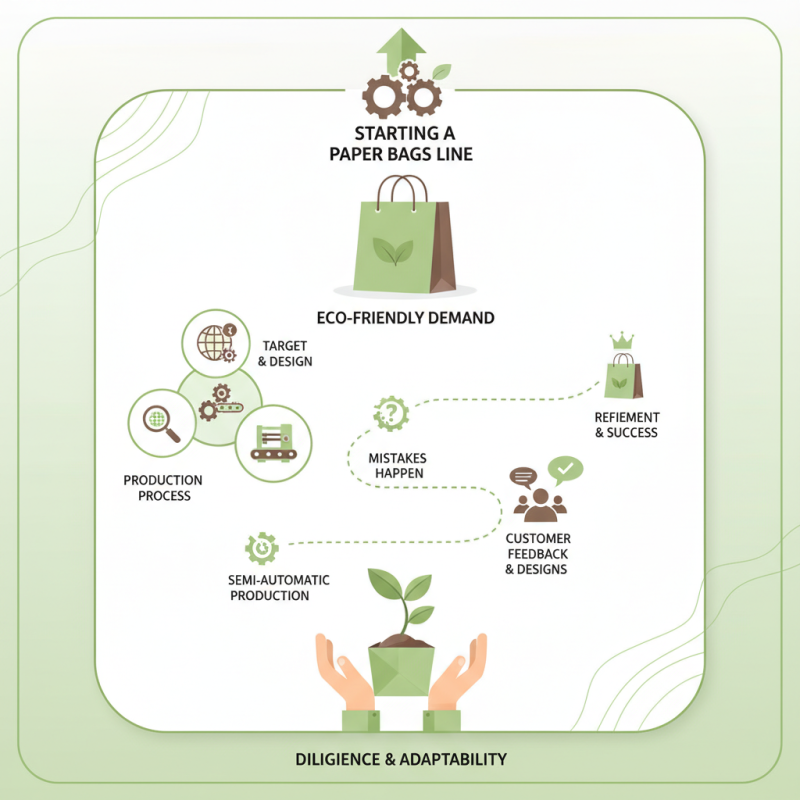
Starting a paper bag line can actually be pretty rewarding, you know? With more and more people and businesses looking for eco-friendly options these days, it feels like a great time to jump in. Not only are paper bags trendy, but they're also super practical. It’s really about finding that balance.
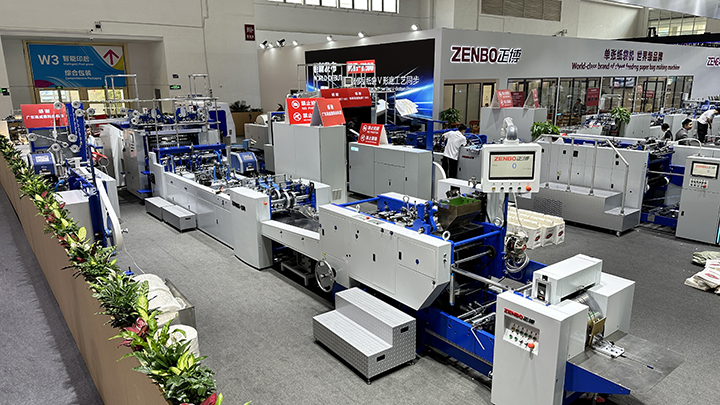
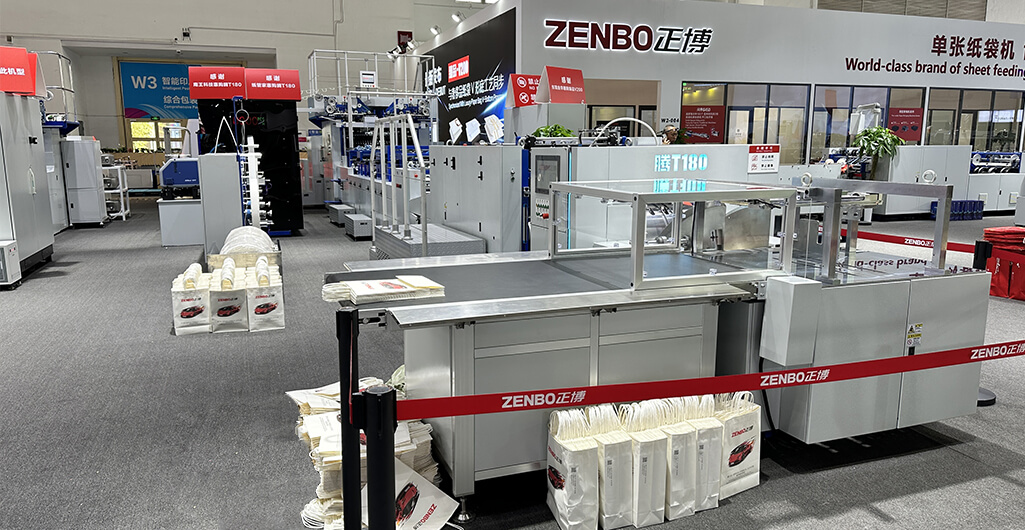
When you're getting ready to launch, make sure you pay attention to the details—think about who your target market is and what kinds of designs they’d like. Getting a good grip on the production process is also key. For instance, checking out a semi-automatic small paper bag production line might be a smart move; it offers a decent combo of efficiency and cost, which is perfect if you're just starting out.
And hey, don’t expect everything to go perfectly from day one—that’s just part of the journey. You’ll make mistakes, but that’s okay! What's important is to learn from them. Doing your homework on what customers really want and testing out different designs can make all the difference. Don’t be shy about asking for feedback either—that's how you'll really refine your product. Building a solid paper bag business isn’t about perfection; it’s about being persistent, willing to learn, and adaptable. Trust me, with patience and a bit of grit, you’ll do great!
The paper bags market is rapidly expanding. A report by Smithers estimates the global market for paper bags will reach $4 billion by 2025. This growth is attributed to increasing environmental awareness. Businesses are seeking sustainable packaging solutions. Consumers prefer eco-friendly products and packaging. This shift presents an opportunity for businesses to pivot toward paper bags.
Consider your target audience. Research shows that 70% of consumers are willing to pay more for sustainable products. Investing in a paper bags line could enhance brand loyalty. However, it's essential to balance cost and quality. Source materials responsibly to ensure sustainability. You may face challenges in production logistics, especially if you're new to the market. It's vital to partner with reliable suppliers to avoid disruptions.
The benefits of paper bags extend beyond eco-friendliness. They are customizable, allowing businesses to express their brand identity. However, not every design will resonate. Make sure to test various styles with your audience for feedback. The packaging should reflect your brand values and appeal to customers visually. Responding to market trends can drive success but requires ongoing research and adjustment. Paying attention to what resonates with your customers is crucial for growth.
Identifying your target audience is crucial when starting a paper bags line. Understanding their preferences can significantly enhance your sales. The global paper bag market was valued at approximately $4 billion in 2020 and is projected to grow at a CAGR of 4.8% from 2021 to 2028. This data indicates a strong demand for sustainable packaging solutions.
Consider the demographics of your potential customers. Are they eco-conscious millennials or businesses seeking sustainable options? Research indicates that 72% of consumers are willing to pay more for environmentally friendly products. This means that aligning your product with their values can be beneficial.
However, it’s important to note that quality matters. While many consumers prefer paper over plastic, they haven’t accepted inferior quality. Poorly made bags can tarnish your brand image. Spending time and resources on quality control might seem tedious, but it is essential for customer satisfaction. Offering different sizes and styles can also cater to varied needs. Not every business will want the same type of bag. Finding that balance is key.
When starting a paper bag line, selecting the right materials is crucial. The quality of your paper will greatly influence the durability and appearance of your bags. Opt for recycled paper where possible. It not only helps the environment but also appeals to eco-conscious customers. Consider varying thicknesses for different uses. Thicker paper works well for carry bags, while lighter options suit gift wraps.
Choosing materials isn't only about quality; cost is a factor too. High-quality paper might be more expensive but can reduce production costs in the long run. This leads to fewer returns due to damaged products. Monitor prices closely and stay flexible in your choices. Remember that balancing quality and cost is often tricky.
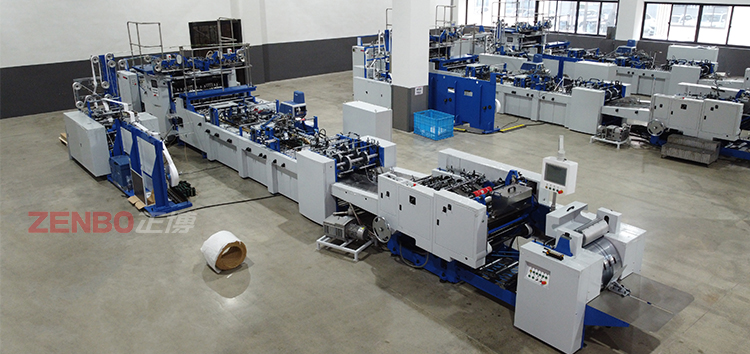
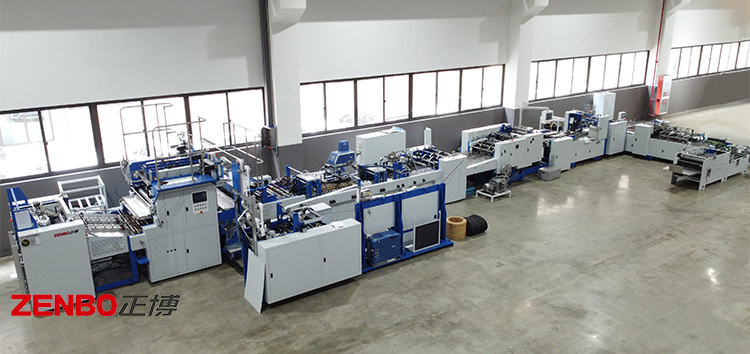
Investing in a Semi-automatic production jumbo paper bags line can streamline your manufacturing process. It improves efficiency and maintains consistency. Watch for common pitfalls in production, like mismatched paper types. This can lead to waste and rework. Regularly assess your materials to ensure they meet your evolving design needs. Quality control is key in maintaining your brand's reputation over time.
Creating a standout paper bag design is essential in today’s competitive market. Recent studies show that 72% of consumers prefer sustainable packaging. This offers a unique opportunity for brands to capture attention with eco-friendly paper bags. Vibrant colors and creative patterns can make a significant difference in consumer perception.
To achieve this, focus on unique elements. Think about textures. A rough finish can evoke a rustic feel. A glossy finish can suggest luxury. Integrating these aspects can attract different customer segments. Consider adding functional features like handles that enhance usability. They can also express your brand’s identity.
However, avoid over-complicating your designs. Sometimes simpler is better. Many brands find that trying to follow every trend can dilute their message. Balancing creativity with clarity is key. Regularly seek feedback to refine your designs. This could lead to unexpected insights. Remember, it’s not just about looking good; it’s about connecting with consumers.
When starting a paper bags line, setting up efficient production processes is vital. According to a recent industry report, the global demand for paper bags is projected to grow by 4.5% annually. This means that optimizing production is key. For instance, investing in a production jumbo paper bags line can significantly enhance output rates and reduce labor costs. You can expect to increase your efficiency by at least 30% compared to smaller scale operations.
Quality control measures are equally important. Inconsistent quality can lead to customer dissatisfaction. Regular inspections are necessary. It’s essential to determine specifications for sturdiness, print quality, and environmental compliance. An average defect rate of 5-7% is common, but aiming for below this threshold is ideal. Consider implementing automated quality checks. They can reduce human error and streamline your process. Remember, even a minor defect can result in wasted material and increased costs.
Reflecting on these processes can reveal weaknesses. Continuous improvement is critical. Gather data on production times, labor efficiency, and product quality. Adjust accordingly. The paper bags industry is competitive. Consistently meeting quality standards will set you apart.
| Aspect | Details | Importance |
|---|---|---|
| Market Research | Identify target customers and analyze competitors. | High - informs product design and marketing strategy. |
| Supplier Selection | Choose reliable materials suppliers for sustainable paper. | Critical - affects product quality and cost. |
| Production Process | Establish efficient workflow and machinery setup. | Essential - influences output and turnaround time. |
| Quality Control | Implement tests for durability, print quality, and finish. | Very High - ensures customer satisfaction and brand reputation. |
| Branding | Develop a strong brand identity and packaging design. | High - differentiates product in a competitive market. |
| Distribution Channels | Decide on retail, online, or wholesale distribution strategies. | High - impacts sales volume and market reach. |
When starting a production small paper bags line, pricing strategies play a crucial role. Setting the right price means understanding your costs and your target market. First, conduct thorough research on competitors. Analyze their prices and the quality they offer. This can help you position your products effectively.
Next, consider your production costs. Calculate materials, labor, and overhead. Set a price that covers costs but also attracts customers. It can be tempting to undercut competitors, but this may not be sustainable. Instead, find a balance that reflects the value of your product. Customers often associate higher prices with better quality.
Evaluate your strategy regularly. Market conditions change, and so do customer preferences. Be prepared to adjust your pricing as necessary. Gathering feedback can provide insights. Are your customers satisfied with their purchases? Are they open to paying more for added value? These questions help refine your approach.
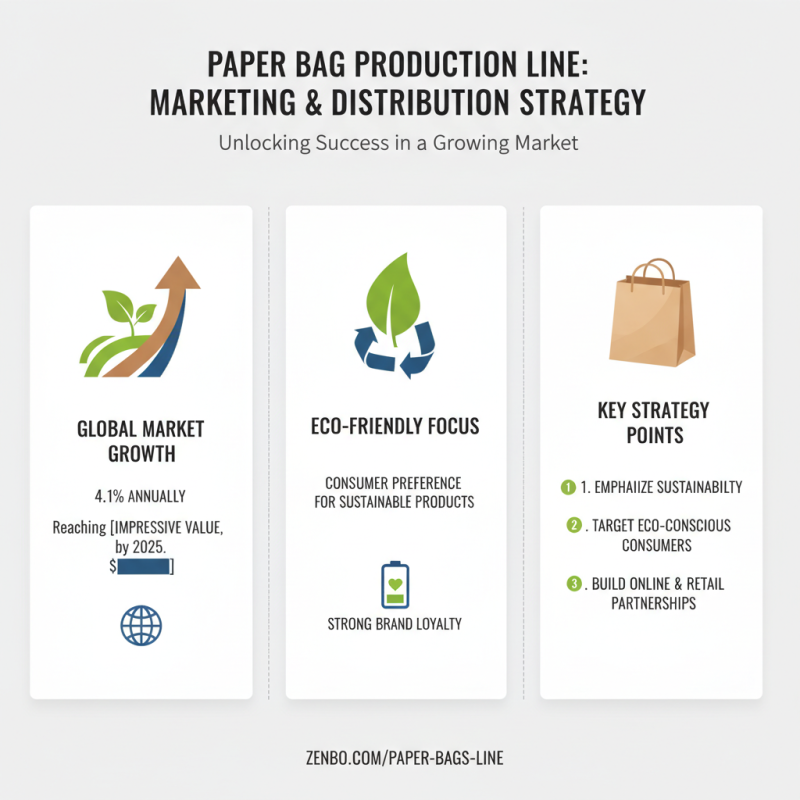
Creating effective marketing and distribution plans for your production paper bags line is crucial for success. In a recent report, the global bag market is projected to grow by 4.1% each year, reaching an impressive value by 2025. Your marketing strategy should highlight the eco-friendly aspect of paper bags. Consumers increasingly prefer sustainable products. Focusing on this aspect can create strong brand loyalty.
Consider collaborating with local businesses. This not only enhances your distribution network but also taps into established customer bases. Organize pop-up events where customers can experience your products firsthand. Engaging customers in person can foster a personal connection. Social media campaigns offering discounts could also drive initial sales. Just remember, not every tactic will work perfectly. Be prepared to adapt your strategies.
When pricing your bags, research competitors’ pricing structures. Offering a competitive price point could enhance market penetration. Keep an eye on trends as well. For instance, market reports indicate that biodegradable options are on the rise. Not adapting could leave your production paper bags line behind. In marketing, everything is an experiment. Reflect on what succeeds and what doesn't. Adjust as necessary.
: The guide aims to provide helpful tips and insights on a specific topic.
Anyone seeking to improve their understanding or skills in the subject area can benefit.
Begin by assessing your current knowledge. Identify areas for improvement.
Yes, the guide includes relevant examples to illustrate key points effectively.
Yes, some common pitfalls include rushing through tasks and ignoring important details.
Regular review is recommended. It helps reinforce what you've learned over time.
Absolutely. It offers foundational knowledge along with advanced tips for growth.
Yes, the tips are adaptable and can be applied in different contexts.
Reflect on your approach. Adjust your methods as needed to overcome obstacles.
Additional resources can often be found through online platforms and local libraries.
Starting a successful Paper Bags Line requires a comprehensive understanding of the paper bags market and the advantages they offer to businesses. Identifying your target audience is crucial, as it helps tailor your packaging solutions to meet their specific needs. Selecting the right materials for production ensures durability and sustainability, which are key consumer considerations today.
Unique and attractive designs will help your paper bags stand out in a crowded market, while efficient production processes and stringent quality control measures ensure consistency and reliability. Furthermore, establishing competitive pricing strategies and creating effective marketing and distribution plans are essential for gaining a competitive edge. Together, these steps will set the foundation for a successful Paper Bags Line that not only meets client expectations but also contributes positively to environmental sustainability.