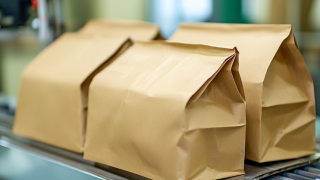
The need for packaging solutions that are eco-friendly has only increased with time. This has been spurred by consumer awareness on environmental issues and the world movement towards sustainability. Once presented with statistics from market research, the expectations were that the global size of the paper bag market would reach USD 6.5 billion by 2027, growing at a CAGR of 4.6% from 2020. This trend, therefore, offers a great opportunity for manufacturers in the Paper Bag Making Machine segment to innovate and meet increased demands. Those companies whose forte lies in the manufacture of high-quality and efficient distributing machines for putting together paper bags are positioned well for market success in the new realm. They will take lead roles in reducing plastic wastes and promoting other forms of sustainable alternatives.
Probably the most established in this industry is Zhejiang Zenbo Intelligent Machinery Co., Ltd., a national high-tech enterprise for independent research in paper bag making machines, founded in the year 2009. The export portfolio extends to more than 50 countries and regions of the world. Zenbo aims to provide the most advanced packaging solutions for its global customers. The future trend and adopting strategic 'approaches will be increasingly important for global-scale buyers who want to make future investments in effective Paper Bag Making Machine technology to match their sustainability mentality, while paper bag demand is globally expected to growth.
Emerging Technologies Shaping the Paper Bag Making Machine Market
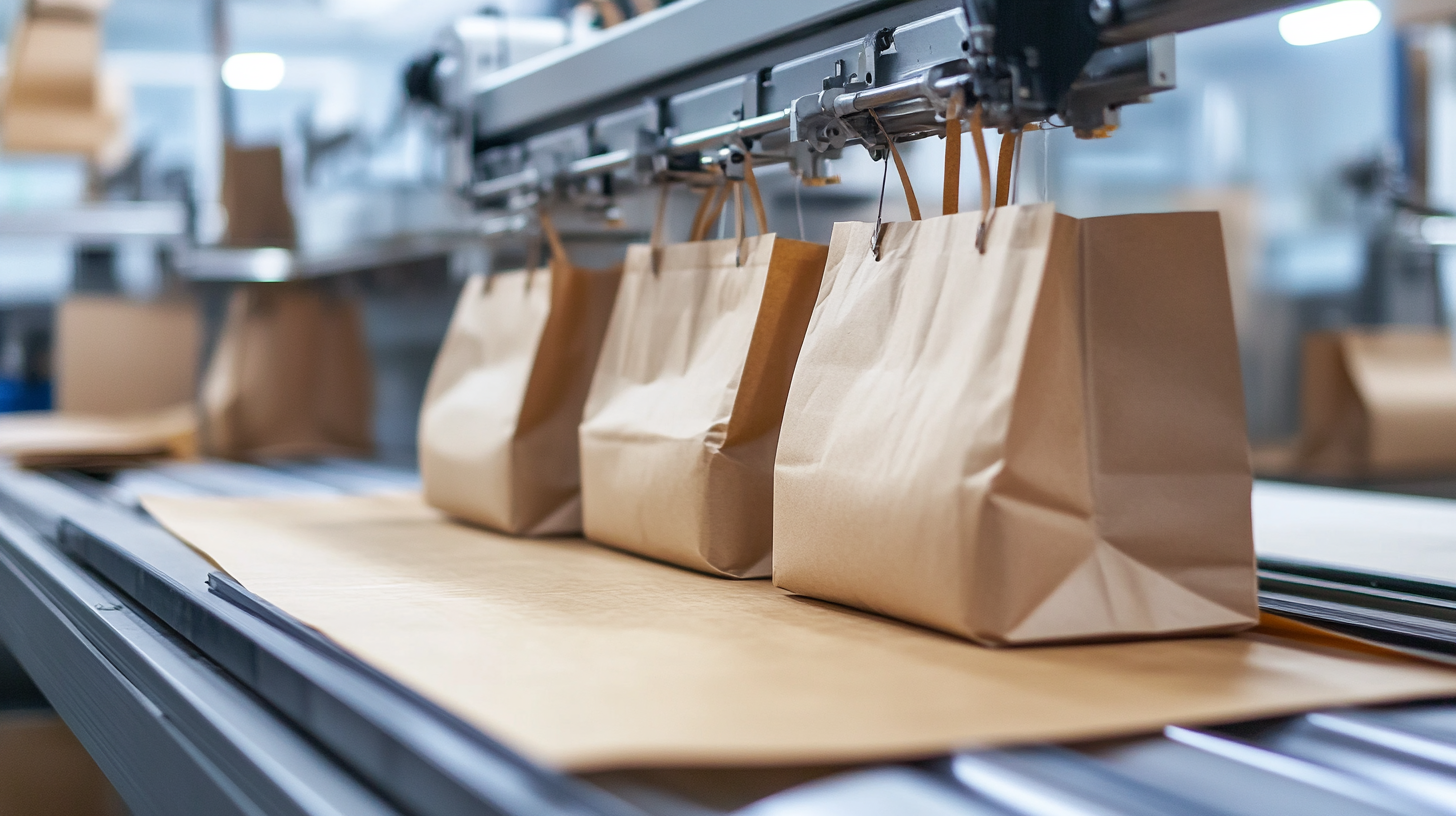
The industry of paper bag-making machines is currently experiencing a changeover phase and is expected to have a lot more influences from new technologies which would lead the way to changes in market dynamics. As per recent reports, the global paper bags market has estimated that it will grow at a CAGR of 4.5% between the years 2021 and 2026 and grow to a value of around USD5.5 billion by that time. This growth has been influenced mainly by consumers getting aware of the sustainable solutions in product packaging and more and more pressing regulations on single-use plastics. The different significant technologies that can really shake the industry are automation. Very advanced automations are being implemented in the whole manufacturing process improving productivity output and lowering production costs. Machines equipped with IoT capabilities can be monitored in real-time by linking communication directly to operators so producers can optimize how things are being executed and maintain quality control. AI also plays a very prominent role in securing quality and maximizing production nowadays while making it possible to use predictive maintenance-to reduce downtime and improve overall productivity. Further, developments in the material science have been much effective in producing high-quality sustainable paper products. Advances in biodegradable coatings and improvement in grades of paper would ultimately lead to the production of more durable bags but also in alignment with environmental standards. The reports further revealed that such advanced paper bags would be in demand mainly from retail, food, and beverage industries, which are setting forth on sustainable paths. Besides meeting the growing demand in the market with such emerging technologies, global buyers may even expect to gain competitive advantage in the vastly changing landscape.
Sustainability: A Driving Force Behind Innovation in Paper Bag Production
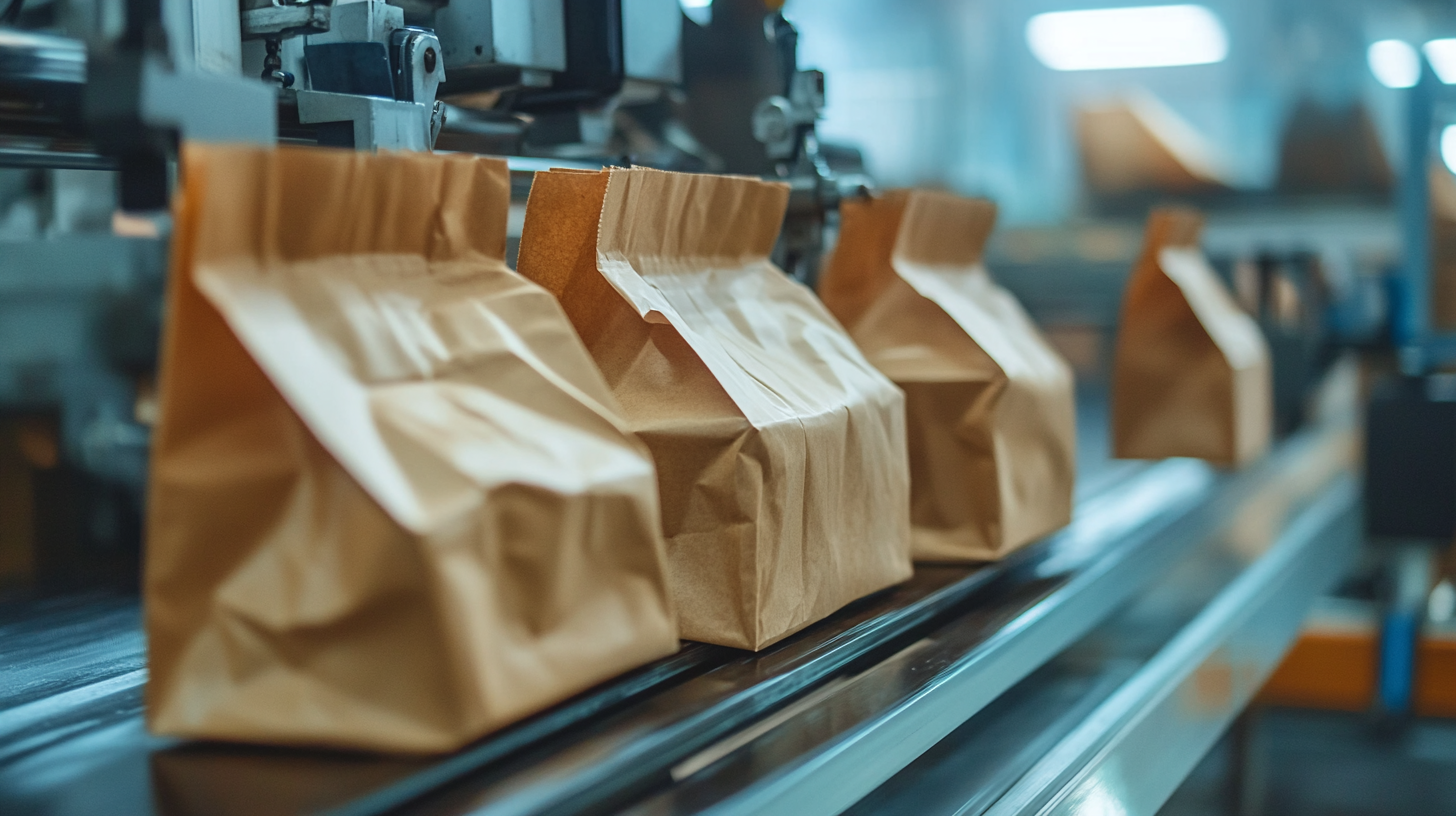
Environmental awareness has, of course, made sustainability one of the cornerstones in the manufacture of paper bags. Manufacturers are now required to devise processes that reduce waste and increase the efficiency yields of raw materials. This is not merely about consuming fewer resources, but making adjustments that are in line with the global efforts at reducing plastic pollution, developing greener alternatives, while at the same time, controlling the quality of recycled materials used in producing Machine Paper Bags as they evolve. Paper manufacturing machinery is also moving to new horizons with recycled materials ensuring that its production cycle adheres with standards that are sustainable.
It goes without saying that, apart from using recycled materials, technological advances are facilitating this progression. To produce high-quality end products faster while consuming less energy, modernization in machinery today pushes towards high energy efficiency and speedy production rates. These innovations allow manufacturers to create lightweight, but their quality very much suits environmental leaners and big retailers in search of greener picks. Technologically advanced equipment can also be favored by international buyers, as they tend to be aligned with the sustainability goals of the buyer but also suit the market demands for competitive pricing.
Collaboration between all participants in the supply chain will therefore make it possible to survive in these environmentally-friendly shores. Each of these ingredients working together will enable the creation of "all roads leading to all consumers through effective sourcing," said Martin. Cooperation will build trust and loyalty among consumers, making them feel part of a solution when production facilities have to gear up against sustainability. Indeed, the future is inevitable in this ever-evolving industry as its best versions redefine 'futurizing the business.' Thus, it is essential for international buyers to remain updated and adaptable according to developments in the world.
Key Market Players: Who's Leading the Paper Bag Making Machine Industry?
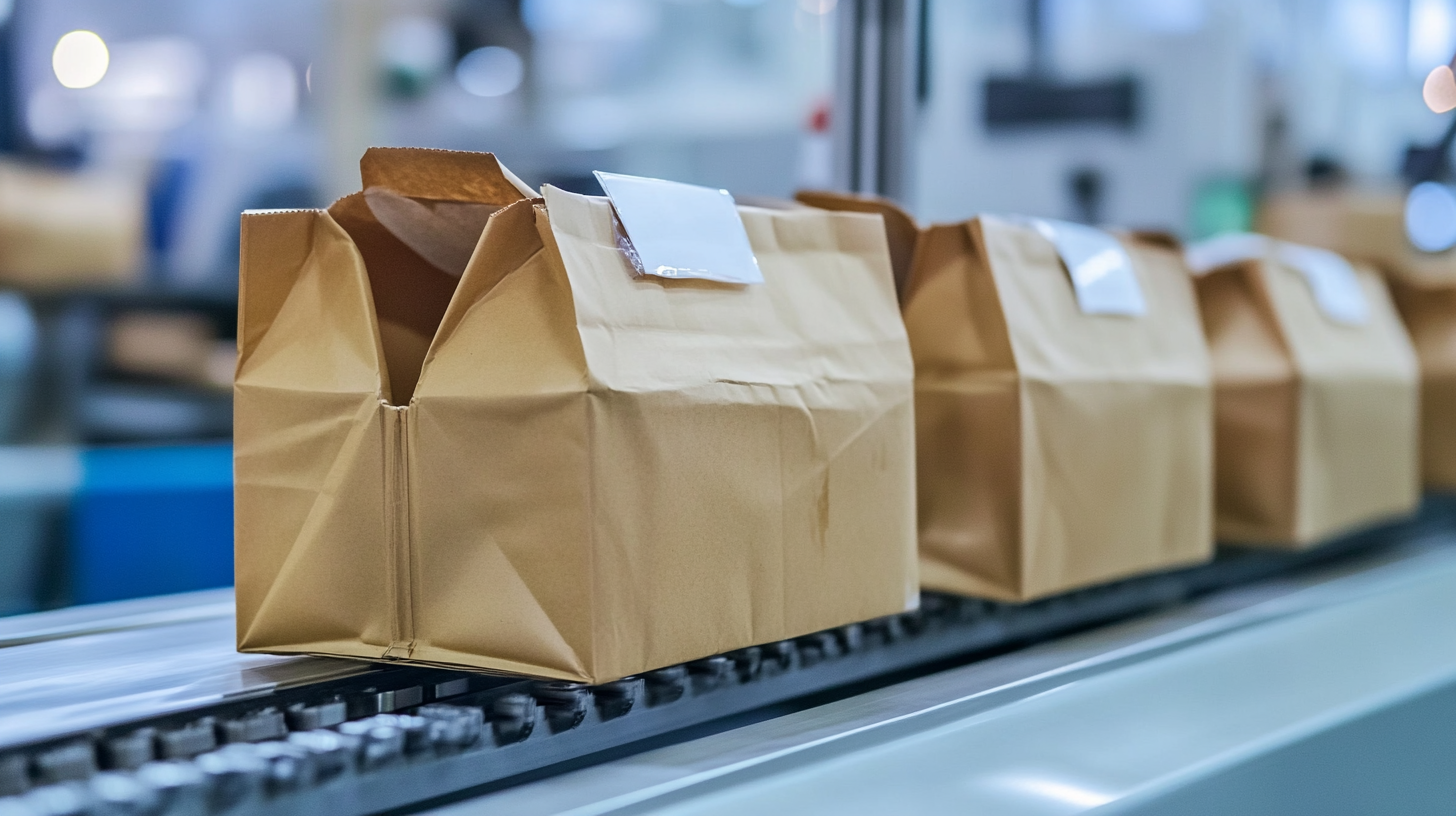
On the rising paper bag making machine industry, the key players are redefining the industry's dynamics through innovation and strategic business practices. The global paper bag making machine is expected to grow at a compound annual growth rate (CAGR) of 4.7% from 2021 to 2028, according to the Market Research Future market report, largely due to increasing environmental concerns about the use of plastics, creating a favorable environment for profit growth for companies.
Leading manufacturers such as UPM-Kymmene Corporation, Paper Bag Co., and BD Print pioneered this switch, enhanced not only efficiencies in production but for green technologies. For instance, machines of UPM-Kymmene have integrated smart technology, which is meant to reduce waste and allow better quality control in production. This is relevant to the 2023 Global Sustainability Index, which shows increased consumer trust and the market share for businesses adopting sustainable practices.
In addition, emerging players in regions like Asia-Pacific are stepping up to compete with established names. According to a report by Technavio, the demand for automated and high-speed paper bag making machines has been increasing, especially in countries like China and India, where retail and food service sectors are developing rapidly. New entrants are providing new dimensions of quality and sustainability with innovations like energy-efficient operations and digital printing capabilities. This ensures that it has boosted the overall industry.
Cost Efficiency Strategies for Global Buyers in Paper Bag Machinery
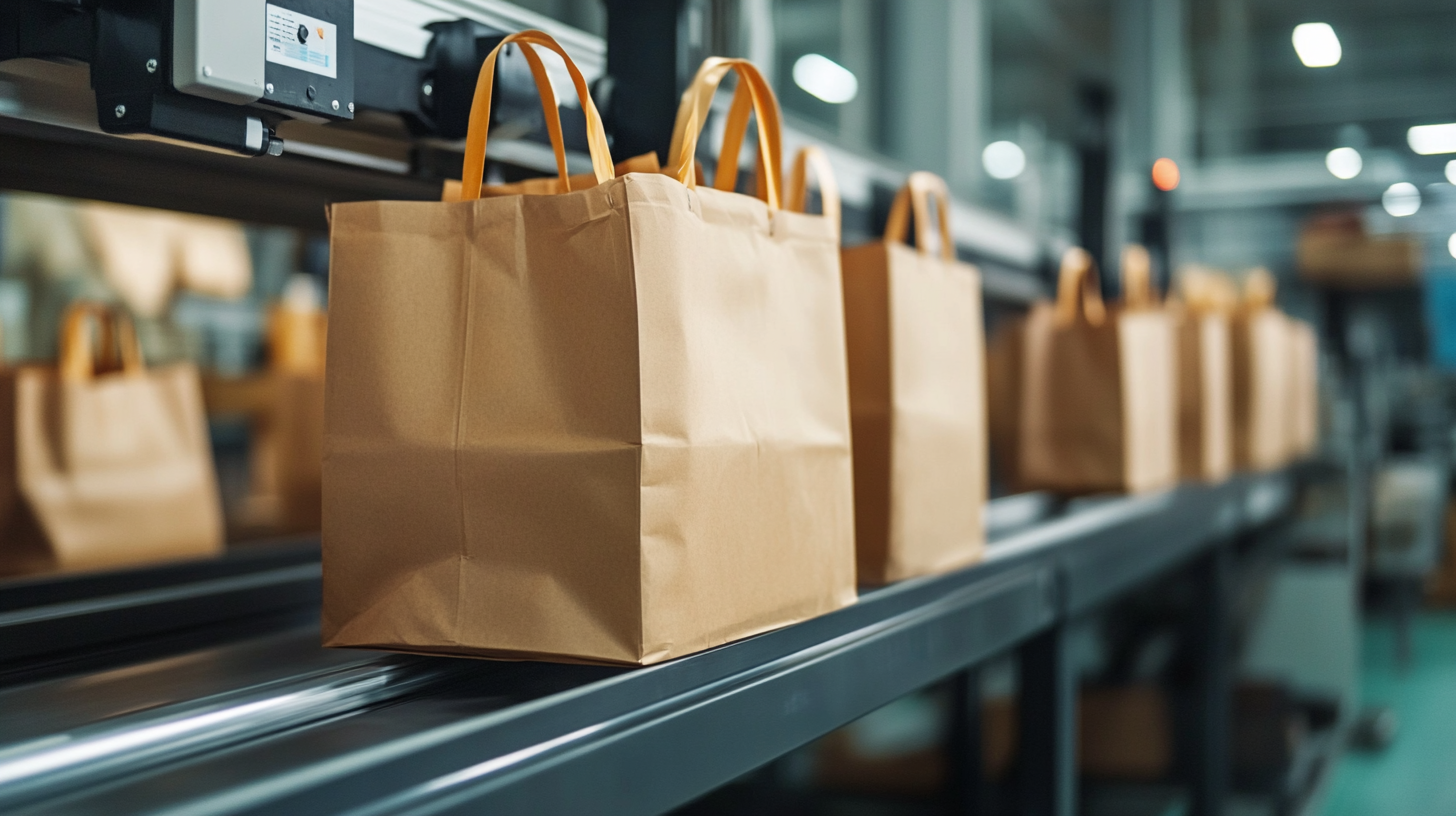
Much has been said about how society has turned its back against the old ways of living through green movements which have, in recent years, threatened plastic's existence. The effect has left a mark on certain industries, such as those involved in producing paper bag making machine manufacturing. As a result, global buyers are now looking for paper bag machinery that is efficient and cost-effective as the manufacturers now move from plastics. Adopting eco-friendly alternatives in packaging will require both innovative technologies toward streamlined production and economical means.
One of the great strategies any buyer investing in a paper bag machine could adopt is sourcing from suppliers that attach much premium on the technological advances. In such cases, initial investment in adopting modernization equipment would, in the long run, pay up for high operational costs over time. Besides, automation and smart technologies would pay by enhancing production levels while minimizing waste and fulfilling sustainability requirements to meet the emerging consumer demands on eco-friendliness.
One of the strategies to enhance cost efficiency for global buyers is to develop long-term contracts with trusted manufacturers. Using agreements can enable bulk purchasing gains, including the sharing of research scores and costs on development. In addition to these benefits, buyers will also gain a greater understanding of the machines, which will help them optimize the usage and maintenance practices, resulting in an overall-combined lifespan of the machinery. As the technology gets more advanced and times change, remaining ahead with strategic investments and partnerships will be important for global buyers in understanding future trends within the field of paper bag making machines.
Understanding Regional Markets: Trends in Paper Bag Manufacturing Worldwide
Since the paper bag-making machine sector is seen to be undergoing transitions, understanding the regional markets would be of importance to global buyers. The demand for sustainable packaging, specifically paper bags, is increasing rapidly because of growing environmental consciousness and the push for eco-friendly products. Several countries and regions such as North America and Europe have witnessed the regulation that bans the use of single-use plastics, which has greatly catalyzed the growth of paper bags. This growth is further supported by consumers' awareness of environmental issues, forcing manufacturers to innovate and expand their production lines.
The global industrial packaging market is expected to record significant growth, having been valued at $106.7 billion by the year 2034. As justification, e-commerce, logistics, and globalization of the supply chain have completely taken off. Packaging solutions must meet the demand of online consumers; a good, efficient, and sustainable packaging solution is an answer. Henceforth, these trends would favor the paper bag-making industry as a relevant subindustry in overall packaging.
In Asian markets, the demand for good-quality packaging solutions for paper bags is also driven by the large middle class and increasing retail consumption. The regional factors driving the market dynamics are opening different avenues for paper bag manufacturers. In this respect, the global buyers would have to engage with local suppliers, appreciate the particular needs of every market, and adapt accordingly. Acceptable use of these considerations shall create competitive advantages and a greener future in packaging.
The Role of Automation in Enhancing Paper Bag Production Efficiency
Automation is taking production efficiency and quality standards in the paper bag making machine industry to completely new heights. As technology creeps up more and more into a manufacturer's production operation, it is not only improving streamlining but also fulfilling a need for resource-efficient green solutions to problems. Use of automatic systems lessens human error and gives high precision in bag production, which really makes a lot of sense when one looks to consistency and strict quality control measures.
Modern paper bag-making machines are fitted with features like real-time monitoring and automatic adjustment. It has built-in cutting and sealing mechanisms that speed up the production cycle, enabling producers to keep up with changing market demands. Automation brings waste optimization through improved use of materials. This is a significant advantage to conscientious companies in striving to reduce their environmental footprints.
Investing in automated paper bag making machines is a thing, so global buyers have come to realize the promise of a scalable and flexible business model. As for a good supply of quality paper bags on cost reduction, businesses should now link their procurement strategy to an automated supplier. Indeed, the industry changes with time, and embracing the automation trend would be the best way to go for investors who want to remain competitive and responsive to a fast-changing market.
Consumer Preferences and Their Impact on Paper Bag Machine Design
In contemporary times, designs and functionalities of paper bag making machines are primarily dictated by the preferences of consumers. A global move towards sustainable and eco-friendly packaging options has forced manufacturers to rethink their designs and applications to meet the growing demand for paper bags. According to Smithers Pira, the global paper bags market is expected to enter the territory of growth at an average compound annual growth rate of over 4% between 2020 and 2025; this creates an urgency for manufacturers to realign their production capacities with the new developments in the market.
Consumers are becoming more and more environmentally conscious, as revealed in a 2021 Nielsen survey where 73% of millennials said they would pay more for sustainable products. This shift in consciousness has demanded paper bags that are environmentally friendly but also trendy and functional. Thus, machine manufacturers are looking to designs that allow the production of customized, high-strength paper bags that serve several retail and grocery applications. Innovations around automation and technology, integrating IoT and AI, will become crucial to optimizing efficiency and maintaining quality.
Furthermore, the level of competitiveness calls for flexibility from paper bag machine manufacturers in production and customization. An estimate by the Freedonia Group states that more than 60% of retailers prefer paper bags that can easily be sized and designed to the spec of the product. This implies that machinery manufacturers would be moving toward modular designs and more advanced features so they could meet that preference and facilitate the introduction of bags that adhere to consumer values while shining in the market.
Future Projections: What to Expect in the Paper Bag Industry Over the Next Decade
The paper bag industry has been forecasted to grow remarkably over the next decade due to changing world perspectives on sustainability. As environmental consciousness grows and stringency in regulations on the use of plastics increases, manufacturers are expected to innovate technologies to enhance the efficiency of paper bag production and to improve the quality of the paper bags produced. The processes for production are likely to have advanced machines that enable designs at a much faster pace and at low wastages that ultimately reduces carbon footprint during the manufacture process.
Rise in custom-designed paper bags will boost demand in the next decade as brands look to stand out and appeal to eco-aware consumers. This trend toward bespoke packaging solutions is expected to create demand for investment in more adaptable paper bag-making machines, able to operate with a wide range of sizes, prints, and materials. Buyers from the world over should watch out for such tendencies, as far advanced machinery that will keep them with competitors in the fast-changing market will be the phenomenon for the future.
Not only does it advance technologies, but it also helps in effecting better operation and resource management through collaborations as well as partnerships across the supply chain. With companies and buyers becoming more conscious and educated on the ecological effects of their operations, it is also very likely that the sourcing of 'green' raw materials with optimized logistics will be one of the critical strategies in the near future. In conclusion, the coming decade is going to be the one that revolutionizes the paper bag industry: a period with challenges and opportunities for those global buyers ready to adapt and innovate.
FAQS
Sustainability is the pivotal force driving innovation, compelling manufacturers to minimize waste and enhance raw material efficiency in response to environmental awareness.
Manufacturers are innovating their processes to accommodate recycled materials and produce eco-friendly paper bags that meet global sustainability standards.
Technological advancements lead to increased energy efficiency and faster production rates, enabling the creation of lightweight yet durable paper bags that appeal to consumers.
Collaboration among brands, manufacturers, and suppliers fosters trust, promotes transparency in sourcing, and enhances product offerings, driving further innovation in sustainability.
Regulations banning single-use plastics, particularly in North America and Europe, have increased the demand for paper bags as consumers seek eco-friendly alternatives.
The industrial packaging market is expected to reach $106.7 billion by 2034, driven by e-commerce growth, which will benefit the paper bag manufacturing sector.
Diverse market dynamics in regions like Asia, due to a rising middle class and increased retail consumption, create unique opportunities that require manufacturers to adapt their strategies.
Global buyers should understand the unique demands of each market and adapt their strategies accordingly to enhance competitiveness and sustainability.
Heightened awareness of environmental issues drives consumers to prefer sustainable packaging solutions, influencing manufacturers to innovate in paper bag production.
Embracing sustainable practices is essential for the industry's evolution, helping manufacturers meet consumer demands and contribute to a more sustainable future in packaging.